Introduction
Dry, rough, and frizzy hair often needs deep nourishment to restore softness and manageability. One of the most popular home hair care methods for hydration and scalp relaxation is a hot oil treatment.
Warm oil treatments help improve moisture absorption and support healthier-looking hair when done gently and consistently. This routine is widely used to reduce dryness, improve softness, and maintain smoother hair texture naturally.
What Is a Hot Oil Treatment
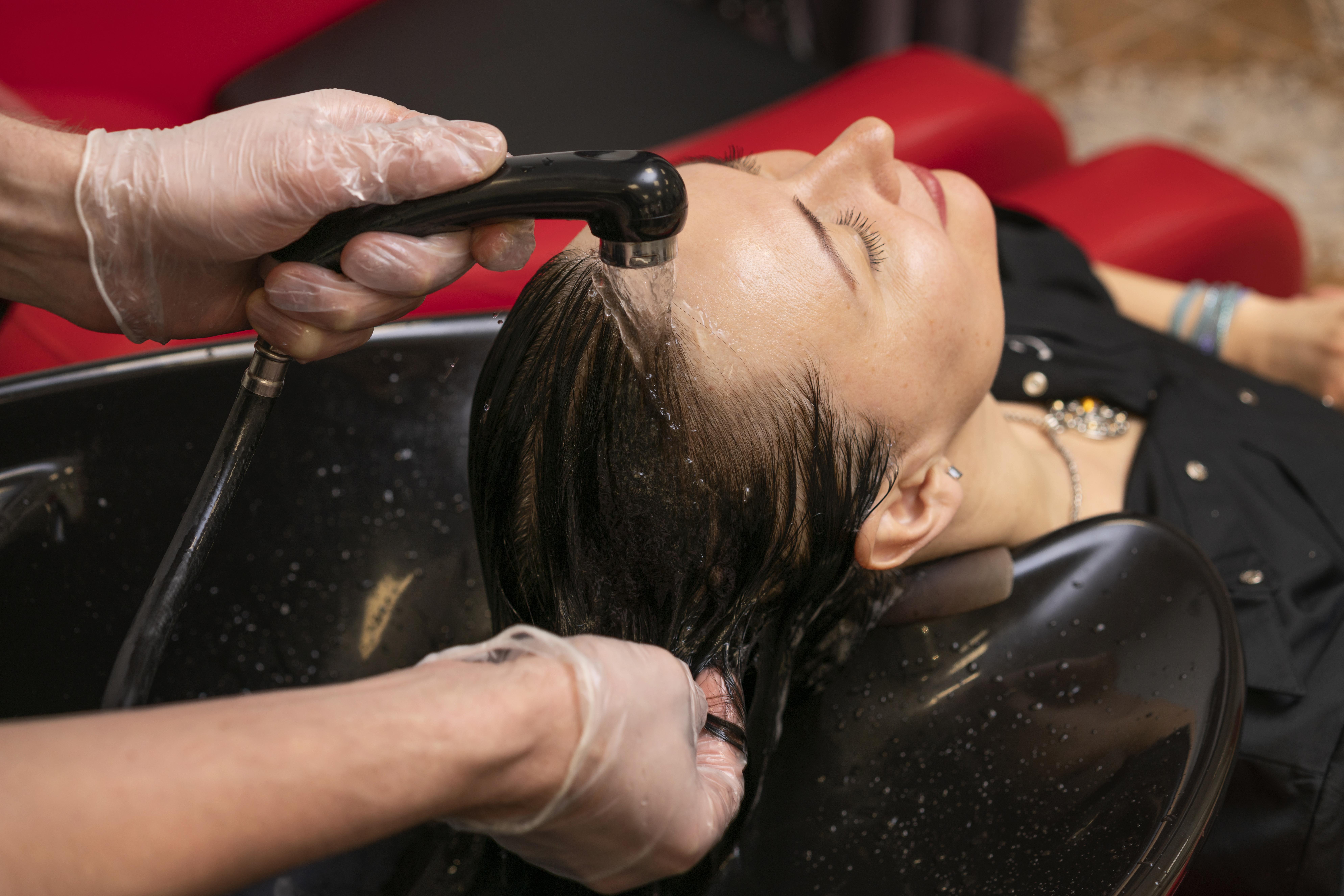
A hot oil treatment involves applying slightly warmed oil to the scalp and hair strands.
The warmth helps improve oil absorption and supports deeper nourishment throughout the hair. This contributes to soft and hydrated hair texture.
Why Warm Oil Helps the Hair
Heat helps open the hair cuticle temporarily, allowing moisture to penetrate more effectively.
This can help improve dryness and rough texture while supporting smooth and nourished-looking hair.
Coconut Oil for Deep Nourishment
Coconut oil is widely used in hot oil treatments because it helps improve moisture retention.
It supports softness and helps reduce roughness caused by dryness. This contributes to healthy and manageable hair appearance.
Argan Oil for Smoothness
Argan oil is commonly associated with smoother and shinier hair texture.
It helps support moisture balance and contributes to silky and polished-looking hair.
Olive Oil for Dry Hair
Olive oil is often used for deeply dry and rough hair because of its rich texture.
It helps improve softness and supports better hydration for dehydrated hair strands.
Castor Oil for Thick Hair Care
Castor oil is commonly included in nourishment-focused hair routines.
Its thick consistency helps support stronger and healthier-looking hair texture when blended properly.
Almond Oil for Softness
Almond oil is often used in scalp massage and hydration-focused hair care routines.
It helps support smoother texture and contributes to soft and relaxed hair condition.
Step 1: Warm the Oil Gently
The oil should only be mildly warm and never excessively hot.
Overheating may damage the oil properties and cause scalp discomfort. Gentle warmth supports comfortable and safe hair treatment.
Step 2: Apply Evenly on Scalp and Hair
Apply the oil carefully from roots to ends using gentle motions.
Even distribution helps support balanced nourishment throughout the hair.
Step 3: Massage the Scalp
Scalp massage helps improve relaxation and blood circulation.
Gentle circular movements contribute to comfortable scalp condition and improved hair care experience.
Step 4: Allow the Hair to Absorb the Oil
Leaving the oil on for some time helps improve hydration and softness.
This supports deep nourishment and smoother hair texture.
Step 5: Wash Gently
Rinse the hair carefully using lukewarm water and gentle cleansing methods.
Avoid aggressive washing to help maintain soft and healthy hair condition.
How Often to Do Hot Oil Treatments
Hot oil treatments can be done occasionally depending on dryness levels and hair needs.
Balanced routines help maintain healthy moisture levels without overloading the hair.
Additional Habits for Healthy Hair
Avoid excessive heat styling
Protect hair from harsh weather conditions
Maintain proper scalp hygiene
Stay hydrated and follow balanced nutrition
These habits contribute to healthy and naturally manageable hair.
Common Mistakes to Avoid
Using oil that is too hot
Applying excessive amounts of oil
Skipping scalp massage
Washing aggressively after treatment
Avoiding these mistakes helps maintain comfortable and balanced hair condition.
What Results Look Like Over Time
With regular care, hair may appear softer, shinier, and easier to manage.
You may notice reduced dryness and smoother texture. This leads to healthy and naturally nourished hair.
Conclusion
Hot oil treatment at home is a simple and effective way to improve hair nourishment and softness naturally. Gentle warmth, proper application, and consistent care help support healthier and smoother-looking hair over time.
Disclaimer
This content is for informational purposes only and should not be considered medical advice. Hair responses vary, so choose routines based on your individual hair condition.