Introduction
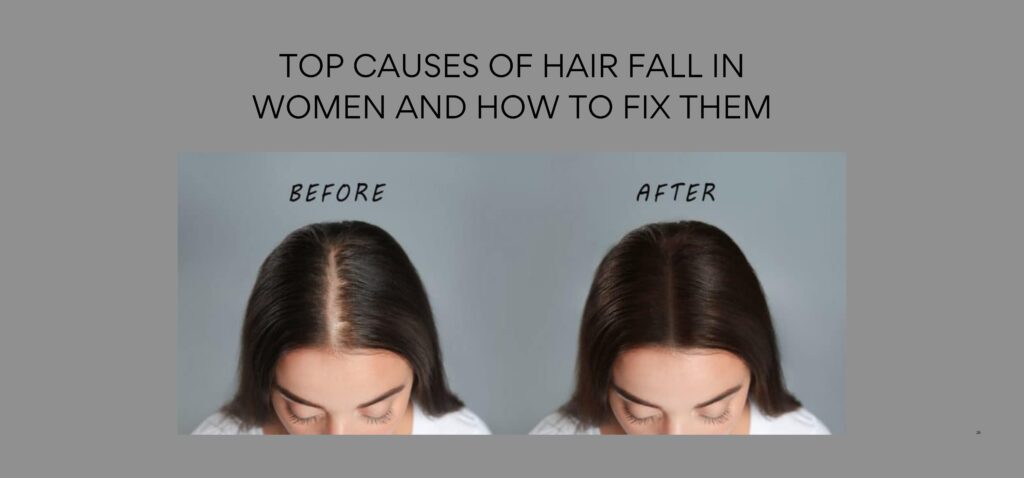
Hair fall is one of the most common concerns women experience at different stages of life. Finding more hair than usual on a hairbrush, pillow, or shower floor can feel worrying, especially when it continues for weeks. While some daily shedding is completely normal, excessive hair fall may sometimes indicate changes happening inside or outside the body.
Understanding the possible reasons behind hair loss can help create better routines and support healthy hair growth naturally.
Stress and Lifestyle Changes
Stress can affect many parts of the body, including hair health. Physical and emotional stress sometimes influences the normal hair growth cycle and may increase temporary shedding.
Common lifestyle factors include:
- Lack of sleep
- Work pressure
- Emotional stress
- Irregular routines
- Poor recovery habits
Managing daily stress may help support overall hair health.
Poor Nutrition Habits
Hair health often reflects what the body receives through nutrition.
Insufficient nutritional balance may sometimes affect:
- Hair strength
- Hair texture
- Overall hair appearance
- Hair growth cycle
Balanced eating habits and healthy routines help support stronger-looking hair.
Hormonal Changes
Hormonal fluctuations can affect hair at different stages of life.
Common situations may include:
- Pregnancy-related changes
- Postpartum changes
- Menstrual cycle fluctuations
- Hormonal imbalances
- Age-related changes
Hormonal shifts can sometimes temporarily affect hair shedding patterns.
Frequent Heat Styling
Regular use of heat tools may gradually affect hair texture and increase breakage.
Excessive heat exposure may contribute to:
- Dry appearance
- Rough texture
- Increased breakage
- Weaker-looking strands
Limiting unnecessary heat may help maintain healthier-looking hair.
Tight Hairstyles
Hairstyles that pull tightly on the roots can place repeated tension on the hair.
Examples include:
- Tight ponytails
- Tight braids
- Very tight buns
- Heavy hair extensions
Comfortable hairstyles may help reduce unnecessary stress on the scalp.
Scalp Health Issues
Healthy hair often starts with a healthy scalp.
Scalp-related concerns may sometimes include:
- Excess buildup
- Dryness
- Excess oil production
- Irritation
Maintaining scalp comfort helps support better overall hair appearance.
Environmental Factors
Daily exposure to pollution, weather changes, and harsh conditions may influence hair texture and comfort.
Environmental factors may contribute to:
- Dryness appearance
- Frizz
- Hair stress
- Rough texture
Protective haircare habits may help maintain healthier-looking strands.
Simple Habits That May Support Healthier Hair
Helpful routines include:
- Drinking enough water
- Following balanced eating habits
- Getting enough sleep
- Avoiding aggressive hair handling
- Maintaining regular scalp care
Small habits often create noticeable long-term differences.
Final Thoughts
Hair fall in women can happen for many reasons, including stress, hormonal changes, lifestyle habits, and haircare practices. Understanding possible causes allows you to build routines that support healthier hair over time rather than focusing only on quick fixes.
Consistent care and healthy daily habits often help maintain strong beautiful hair naturally.
Disclaimer
This content is for informational purposes only and should not be considered medical advice. Hair responses vary depending on individual conditions and personal routines.