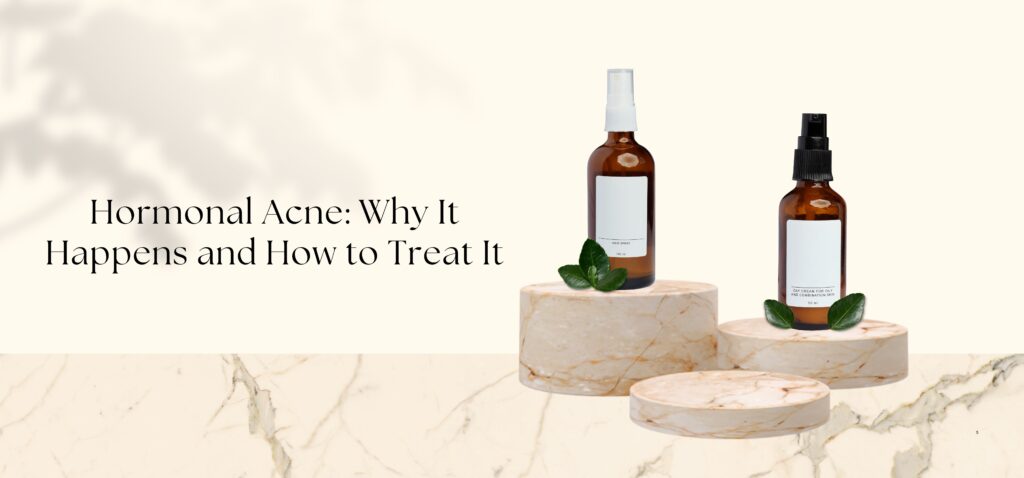
Hormonal acne is one of the most frustrating skin concerns, because it often appears when you least expect it and tends to return repeatedly. You finally clear your skin and suddenly painful breakouts start showing up again around your chin, jawline or cheeks. Unlike the occasional pimple that disappears within a few days, hormonal acne often feels stubborn and difficult to control.
Many people assume that acne is only a teenage problem, but hormonal changes can trigger breakouts at almost any age. Adults in their 20s, 30s and even 40s may experience recurring acne because of shifts inside the body. Stress, menstrual cycles, lifestyle habits and some medical conditions can affect hormone levels and contribute to breakouts.
The good news is that hormonal acne can be managed with the right approach. Understanding why it happens is the first step toward treating it effectively.
What Is Hormonal Acne?
Hormonal acne is acne that develops due to fluctuations or imbalances in hormones. These hormonal changes can increase oil production in the skin, leading to clogged pores and inflammation.
Hormonal acne usually appears in the form of deeper and more painful breakouts compared to regular pimples. These breakouts are often linked to changes in hormone levels and may take longer to heal.
Hormonal Acne: What to Look For
If you are dealing with acne that feels different from the usual stuff, hormones might be the culprit.
The telltale signs:
- Painful cysts sitting deep under your skin
- Those stubborn pimples that stick around way longer than they should and can actually scar
- Red, angry-looking bumps
- Whiteheads and blackheads
- Breakouts clustering around your jawline, chin, and lower cheeks
Why Do Hormonal Acne Happen?
Hormonal changes are natural, but certain situations can increase the likelihood of breakouts.
Menstrual Cycle Changes
This is why breakouts often appear a few days before menstruation.
Stress Levels
Stress can affect the skin as well as the mind. When the body is under stress, it releases a hormone called cortisol, which is commonly known as the stress hormone.
Puberty
During puberty, the body goes through major hormonal changes that can affect the skin. Higher levels of androgens may increase oil production, which can clog pores and lead to acne breakouts. This is one reason why acne is very common during the teenage years.
Polycystic Ovary Syndrome (PCOS)
PCOS causes hormonal imbalances that lead to stubborn, persistent acne. It usually comes with other symptoms like irregular periods, extra hair growth, and oily skin.
Pregnancy
Pregnancy causes major hormonal shifts that can affect the skin in different ways. Some women experience clearer skin, while others notice worsening acne.
Certain Medications
Some medications may influence hormone levels or skin behavior and trigger acne breakouts.
Examples may include:
- Steroids
- Hormonal medications
- Certain birth control methods
- Some antidepressants
Common Signs That Your Acne May Be Hormonal
Although only a healthcare professional can provide an accurate diagnosis, certain patterns often suggest hormonal acne.
You may be dealing with hormonal acne if you notice:
- Breakouts mainly appear around the chin and jawline
- Acne tends to get worse during menstrual cycles
- Pimples are often deep, painful, and swollen under the skin
- Acne continues even after the teenage years
- Stress and lack of sleep may trigger sudden flare-ups
Recognizing these patterns can help you identify possible causes and choose appropriate treatments.
How to Treat Hormonal Acne
Treating hormonal acne usually requires consistency. Quick fixes rarely provide long-term results.
Follow a Gentle Cleansing Routine
Washing your face two times a day helps clear dirt, oil that can build up on the skin throughout the day. Keeping the skin clean can also reduce the buildup that may contribute to breakouts.
At the same time, washing too often or using harsh products can dry out and irritate the skin. Instead, use a gentle cleanser that cleans the skin without making it feel overly tight or uncomfortable afterward.
Keep in mind that scrubbing aggressively does not remove acne faster. It can actually worsen irritation.
Use Acne-Fighting Ingredients
Certain skincare ingredients may help reduce breakouts.
Salicylic Acid
Salicylic acid helps clean deep inside the pores by removing oil, dirt, and dead skin buildup. It is commonly used to reduce blackheads, whiteheads, and acne breakouts.
Benzoyl Peroxide
Benzoyl peroxide works by helping reduce acne-causing bacteria on the skin. It can also help calm inflammation and reduce the size of active pimples.
Niacinamide
Niacinamide is a mild skincare ingredient that helps soothe irritated skin and reduce visible redness. It may also help improve the overall appearance of uneven or oily skin over time.
Retinoids
Retinoids help increase skin cell turnover, which can reduce clogged pores and support clearer-looking skin. They are commonly used in acne care and skin renewal routines.
If you are trying active skincare ingredients for the first time, start slowly and use them in small amounts, especially if your skin is sensitive.
Moisturize Daily
People with acne often avoid moisturizer because they think it makes the skin oilier. In reality, skipping moisturizer may cause dryness and irritation.
Wear Sunscreen Every Day
Too much sun exposure can make acne inflammation worse and cause acne marks to look darker and more noticeable. That is why wearing sunscreen daily is important, even if you spend most of your time indoors or near windows.
Choose a broad-spectrum sunscreen that feels lightweight on the skin and does not clog pores.
Consider Professional Treatment if Needed
Sometimes hormonal acne does not fully improve with regular skincare alone. In such cases, getting advice from a healthcare professional can help.
Depending on how severe the acne is, treatment options may include:
- Prescription retinoids
- Oral medications
- Hormonal treatment options
- Antibiotics in some situations
Painful acne, deep cysts, or breakouts that leave scars should not be ignored, especially if they continue for a long time.
Can Diet Affect Hormonal Acne?
Diet alone does not directly cause acne, but some people notice certain foods seem to trigger flare-ups.
Research in this area is still developing, but some individuals find improvements by reducing:
- Highly processed foods
- Excess sugar
- Sugary drinks
- High glycemic foods
Adding more nutrient-rich foods may support overall skin health.
Helpful choices include:
- Fruits and vegetables
- Whole grains
- Healthy fats
- Protein-rich foods
- Water throughout the day
Rather than following restrictive diets, focus on balanced eating habits.
Lifestyle Habits That May Help Reduce Hormonal Acne
Small daily habits can influence your skin over time.
Prioritize Sleep
Proper sleep makes out skin health good.
Manage Stress
Stress management will not eliminate acne instantly, but it may reduce flare-ups.
Helpful activities may include:
- Walking
- Meditation
- Exercise
- Reading
- Deep breathing
Keep Your Skincare Simple
Too many products at once can actually overwhelm your skin barrier. Your skin works better with a straightforward routine:
The basics that work:
- Gentle cleanser
- Treatment product
- Moisturizer
- Sunscreen
Stick with this and you’ll see better results than jumping between a bunch of different things. Consistency beats complexity every time.
Why this matters: When you’re picking at your skin or using harsh treatments, you’re risking:
- Scarring
- Dark spots
- Longer healing times
Keep it simple and let your skin do its thing.
When Should You See a Dermatologist?
Breakouts happen to everyone, but if it’s becoming a real problem, don’t just keep trying random products. It might be time to talk to a dermatologist.
See a professional if:
- Your acne is actually painful
- You’re getting scars from breakouts
- The stuff you’re buying at the store isn’t working
- It’s messing with your confidence or mental health
A dermatologist can help identify whether hormones play a role in your skin concerns and suggest customized treatment options.
Final Thoughts
Hormonal acne is frustrating because it feels random and won’t go away. But once you understand what’s actually causing it, you can actually do something about it.
Hormones mess with your oil production, cause inflammation, and change how your skin behaves. That’s why you can have a solid skincare routine and still break out it’s not your fault, it’s your hormones.
Disclaimer
This is just information don’t use it instead of actual medical advice. If you’ve got skin concerns, talk to a dermatologist or doctor who can give you real recommendations based on your specific situation.