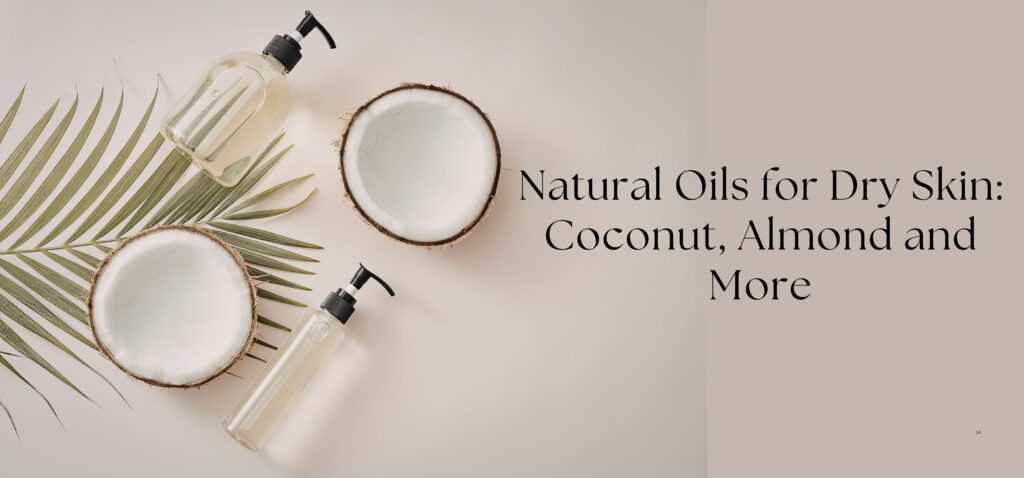
Dry skin feels rough, tight and flaky in cold weather or after using harsh soaps. Moisturizers help,. Natural oils also work well to nourish the skin and reduce moisture loss.
Many natural oils have fatty acids and softening properties that help make skin smoother and healthier. When used right they are an effective part of a dry skin routine.
Why Natural Oils Help Dry Skin
Dry skin lacks moisture and protective oils. The outer skin layer, the skin barrier helps keep hydration in.
When this barrier is weak moisture escapes easily causing dryness and roughness.
Natural oils help in ways:
• They stop moisture from getting out of the skin
• They make areas on the skin feel soft to touch
• They keep the skin barrier healthy and strong
• They make the skin feel more comfortable all the time
These natural oils work best when you use them with water and gentle skincare.
1. Coconut Oil
Coconut oil is great for the skin. It helps with:
• Keeping the skin moist and fresh
• Making patches on the skin feel soft
• Reducing roughness on the skin
It works well for:
• Very dry skin that needs extra care
• Dry elbows and knees that feel rough
• Using at night before you go to sleep
But coconut oil can feel heavy on some skin especially if you have acne-prone facial skin that gets easily clogged.
2. Almond Oil
Almond oil is light and nourishing perfect for the skin. It helps:
• Make the skin feel soft and smooth
• Reduce tightness in the skin
• Fix the texture of the skin to make it look better
Many people use almond oil, for massages or to moisturize their body in winter when the skin gets really dry.
3. Olive Oil
People have used olive oil for skincare for a time. It helps:
• Keep skin
• Reduce dryness
• Fix texture
Its often used for body care not for the face because its rich.
4. Jojoba Oil
Jojoba oil is light and similar to the oils our skin makes. It helps:
• Keep skin moist
• Reduce dryness
• Make skin smoother
Its light texture makes it suitable for all skin types.
5. Argan Oil
Argan oil is great for dull-looking skin on the face. It helps:
• Keep skin
• Fix texture
• Add softness without feeling greasy
Many people prefer argan oil for use because it absorbs quickly.
6. Rosehip Oil
Rosehip oil helps tired-looking skin. It helps:
• Improve skin texture
• Keep skin hydrated
• Make skin look healthier and brighter
Its commonly used in skincare.
How to Use Natural Oils
Using oils the way is important.
Step 1: Apply on Slightly Damp Skin
Natural oils work best after you put on water. You can apply them after moisturizer or, after a bath while your skin is still a damp.
Step 2: Use Small Amounts
A little oil goes a way. Using much can leave skin feeling greasy.
Step 3: Focus on Dry Areas
Pay attention to elbows, knees, hands and dry facial patches.
Step 4: Use Mostly at Night
Many oils work overnight providing longer-lasting nourishment while skin repairs itself.
Lighter oils may also be used during the day if they absorb comfortably.
Can Natural Oils Replace Moisturizer?
Natural oils help seal moisture into skin but they don’t hydrate like water-based products.
For results:
• First try hydration
• Then put on oil to keep it in
This way works really well for dry skin.
Common Mistakes to Avoid
Some people use oils the way and get irritation or clogged pores. Here are things to avoid:
• Putting on much oil
• Using oils on skin that is not clean
• Just using oils without hydrating first
• Using thick oils if your skin feels blocked
Keeping your routine simple usually works best.
Tips to Improve Dry Skin Naturally
Along with oils:
• Drink enough water
• Avoid soaps
• Use lukewarm water
• Moisturize regularly
• Protect skin from severe weather
Healthy skin improves via consistent daily habits.
Final Thoughts
Natural oils including coconut, almond, jojoba and argan oil help dry skin when used correctly. They support the skin barrier reduce moisture loss and improve softness.
The key is choosing oils that suit your skin type and using them in moderation. With care and proper hydration natural oils can help dry skin feel smoother and healthier, over time.
Disclaimer:
Skin reactions vary. Always patch test oils before regular use especially if you have sensitive or acne-prone skin.