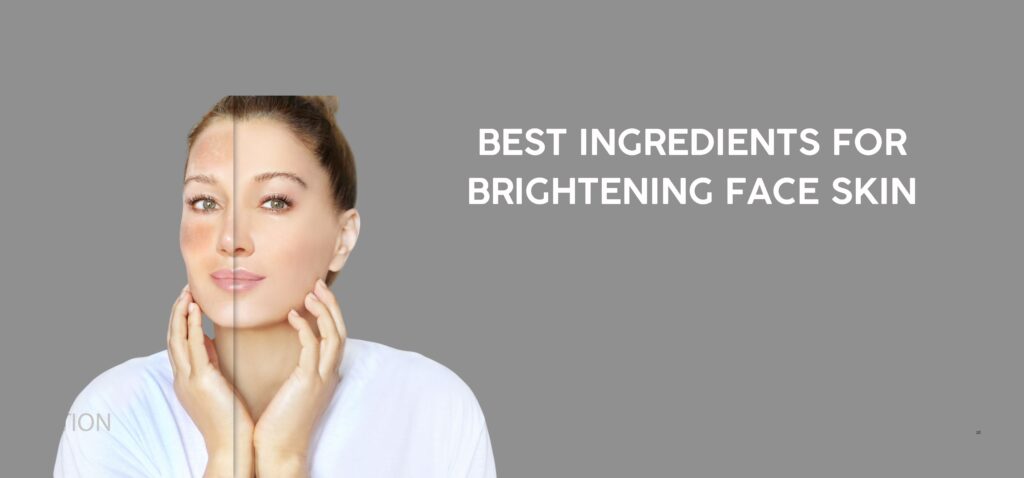
Having healthy-looking skin is a great sign that you are taking good care of your skin. There are a lot of things that can make your skin look dull or uneven like being in the sun too much, pollution, stress not having enough water and acne marks. Using the skincare ingredients can really help make your skin look better reduce dark spots and give you a more radiant glow.
It is an idea to know which ingredients are best for making your skin look brighter.
What makes skin look dull?
There are reasons why your skin might look dull or uneven.
- The surface of your skin can accumulate dead skin cells. Cause it to fade its inherent radiance.
- much sun can cause dark spots, tan and uneven skin tone.
- Not having water can make your skin look rough and tired.
- Not getting sleep and being stressed can affect how well your skin repairs itself.
- Acne marks and dark spots can make your skin look uneven.
Here are some of the ingredients for making your face skin look brighter:
1. Vitamin C
Vitamin C is a popular ingredient for making skin look brighter.
It helps reduce dullness supports collagen production improves skin tone and protects your skin from damage.
In the morning, you can apply vitamin C serums together with sunscreen.
2. Niacinamide
Niacinamide is an ingredient that works well for many skin types.
It helps improve skin tone reduces excess oil supports skin health and makes your pores look smaller.
You can find niacinamide in serums and moisturizers.
3. Alpha Arbutin
Alpha arbutin is often used to target spots and pigmentation.
It helps reduce acne marks supports an even complexion and works well for hyperpigmentation concerns.
It is gentler than some brightening ingredients.
4. Hyaluronic Acid
Well-hydrated skin appears more vibrant and healthier.
Hyaluronic acid deeply hydrates your skin improves skin plumpness and supports texture.
It works well for dehydrated skin and combination skin types.
5. Retinol
Retinol is really good, for the skin because it helps make the skin texture and it supports the skin cells.
Retinol helps the skin in ways. It makes dull skin look better. Retinol improves skin smoothness.
Retinol also supports the production of collagen. It helps get rid of acne marks over time.
You should start using retinol because retinol can cause dry skin when you first use retinol.
6. Glycolic Acid
Glycolic acid serves as a chemical exfoliant that aids in the removal of skin cells.
It improves skin texture helps brighten skin and supports smoother appearance.
You need to be careful when using exfoliating acids to avoid irritation.
7. Kojic Acid
Kojic acid is commonly used in products designed for pigmentation and dark spots.
It helps improve tone supports brighter-looking skin and is often used for acne marks and sun spots.
Always use sunscreen when using brightening acids.
8. Licorice Extract
Licorice extract is a soothing ingredient that is often used in brightening skincare.
It helps redness supports even skin tone and is gentle for sensitive skin.
You can find licorice extract in serums and creams.
9. Aloe Vera
Aloe vera helps soothe. Hydrate your skin naturally.
It reduces dryness helps calm irritation and supports skin appearance.
It works well for irritated skin.
10. Salicylic Acid
Salicylic acid is especially helpful for acne-prone skin.
It clears pores helps reduce acne and improves overall skin texture.
When your skin is clear it often looks brighter and healthier.
Here are some tips for using brightening ingredients
- Introduce new products slowly
- Do not mix too many active ingredients at once
- Always use sunscreen during the day
- Patch test products before using them fully
- Moisturize regularly to protect your skin barrier
It is more important to be consistent than to use too many products.
Skincare Routine for Brightening Skin
Morning routine is really important for brightening your skin. Here is what I do in the morning:
* I use a cleanser to clean my face
* Then I apply Vitamin C or niacinamide serum to help with brightening my skin
* After that I use a moisturizer to keep my skin hydrated
*. Finally I apply sunscreen to protect my skin from the sun
At night I follow a different routine for brightening my skin. Here is what I do:
* I use a cleanser again to clean my face
* Then I use a treatment with Retinol to help my skin
* After that I apply a moisturizer to keep my skin hydrated
I think a simple and consistent skincare routine for brightening your skin often works the best, for brightening your skin.
Some ingredients should not be mixed without guidance.
Be careful when combining:
- Retinol with exfoliating acids
- Multiple exfoliating acids together
- High-strength actives on sensitive skin
If you are unsure consult a dermatologist for guidance.
In the end
In the end making your skin look brighter is about taking good care of your skin overall rather than trying to change your natural skin color. Ingredients like vitamin C, niacinamide, retinol and hyaluronic acid can help reduce dullness improve hydration and support an healthier-looking complexion over time.
Taking care of your skin being consistent and protecting your skin from the sun are key to having naturally radiant skin.
Disclaimer
This article is for purposes only and does not replace professional dermatological advice. Results from skincare ingredients may vary depending on skin type and sensitivity. Consult a dermatologist before using active ingredients especially if you have sensitive or reactive skin.
FAQs
1. Which ingredient is best for brightening skin?
Vitamin C is one of the commonly used ingredients for improving dullness and uneven skin tone.
2. Can niacinamide brighten the face?
Niacinamide may help improve skin tone and reduce dullness over time.
3. Is retinol good for skin brightening?
Retinol supports skin cell turnover, which may help improve texture and brighten the skin gradually.
4. How long does it take to see brightening results?
You may start to see improvements, in weeks of consistent skincare use.
5. Is sunscreen necessary when using brightening products?
Yes sunscreen is very important because UV exposure can worsen pigmentation and reduce the effectiveness of brightening ingredients.