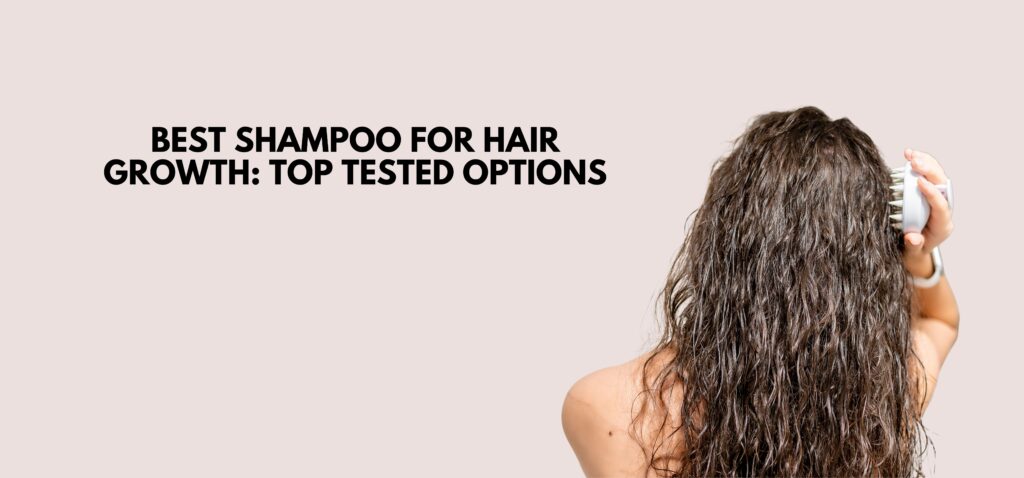
If you’re experiencing hair fall or trying to grow your hair longer, you’ve probably wondered whether a different shampoo could help. With so many products claiming to boost hair growth, reduce hair loss, and strengthen strands, it’s easy to feel overwhelmed.
The truth is that shampoo alone cannot dramatically speed up hair growth. Hair growth depends on factors such as genetics, hormones, nutrition, stress levels, and overall health. However, the right shampoo can support scalp health, reduce breakage, and create a better environment for healthy hair.
Instead of searching for a miracle product, it’s more helpful to understand what makes a shampoo beneficial for hair growth and which ingredients are actually worth paying attention to.
Can Shampoo Really Help Hair Growth?
This is one of the most common questions people ask.
Hair grows from follicles beneath the scalp. Because shampoo remains on the scalp for only a short period before being rinsed away, its ability to directly stimulate hair growth is limited.
That doesn’t mean shampoo is unimportant.
A good shampoo can:
- Keep the scalp clean
- Remove excess oil and buildup
- Support scalp health
- Reduce hair breakage
- Help hair appear fuller and healthier
When your scalp is healthy and your hair is less prone to damage, it becomes easier to retain length and maintain stronger-looking hair.
What Makes a Shampoo Good for Hair Growth?
Not all shampoos are created equal. Some focus purely on cleansing, while others include ingredients designed to support hair strength and scalp health.
When choosing a shampoo, it’s often helpful to look for formulas that contain ingredients linked to healthier hair rather than relying on marketing claims alone.
Ingredients That May Support Healthier Hair
Biotin
Biotin has become one of the most popular ingredients in hair care products.
It plays a role in the production of Keratin, the protein that makes up your hair.
While biotin shampoos won’t necessarily make hair grow faster, they are often included in formulas designed to support stronger-looking hair.
Caffeine
Caffeine has gained attention in recent years because researchers believe it may help support healthy hair follicles.
Many hair care products include caffeine as part of a broader approach to scalp care and hair strengthening.
Peptides
Peptides are small protein fragments that may help support hair strength and scalp health.
They are increasingly used in modern hair care products designed for thinning or fragile hair.
Rosemary Extract
Rosemary has become one of the most discussed natural ingredients in the hair care world.
Research suggests that rosemary may help support healthy hair growth when used consistently as part of a broader hair care routine.
Niacinamide
Niacinamide is known for its role in supporting skin health, and it may also help maintain a healthier scalp environment.
A healthy scalp often provides a better foundation for healthy hair growth.
Why Scalp Health Matters
Many people focus entirely on their hair strands while ignoring the scalp.
Think of your scalp as the soil in which hair grows. Healthy hair follicles depend on a healthy scalp environment.
Scalp problems such as:
- Excess oil
- Product buildup
- Dandruff
- Irritation
- Inflammation
can sometimes interfere with optimal hair growth conditions.
Choosing a shampoo that cleanses effectively without stripping the scalp can help maintain balance.
Sulfate-Free vs Regular Shampoo
One of the biggest debates in hair care is whether sulfate-free shampoos are better.
Sulfates are cleansing agents that help remove dirt and oil.
For some people, sulfates work perfectly well. Others may find them too drying, particularly if they have:
- Dry hair
- Color-treated hair
- Sensitive scalps
- Curly hair
Sulfate-free shampoos are often gentler and may help reduce dryness and irritation.
However, sulfate-free does not automatically mean better for hair growth.
The best choice depends on your hair type and scalp needs.
Common Shampoo Mistakes That Can Affect Hair Health
Sometimes it’s not the shampoo itself causing problems but the way it’s being used.
Washing Too Aggressively
Scrubbing the scalp harshly can cause irritation and discomfort.
Gentle massage is usually more effective.
Using Excessively Hot Water
Very hot water may dry out the scalp and hair.
Lukewarm water is often a better option.
Not Rinsing Properly
Product buildup can accumulate when shampoo isn’t fully rinsed away.
Choosing a Shampoo That Doesn’t Match Your Hair Type
A shampoo that works well for oily hair may not be ideal for someone with dry or damaged hair.
What Shampoo Cannot Do
Many advertisements create unrealistic expectations.
Even the best shampoo cannot:
- Instantly regrow lost hair
- Reverse genetic baldness
- Correct hormonal hair loss
- Cure nutritional deficiencies
- Replace medical treatments
Hair growth is a complex biological process that involves much more than the products you use in the shower.
Other Factors That Influence Hair Growth
If your goal is longer, healthier hair, shampoo is only one piece of the puzzle.
Nutrition
Hair follicles need nutrients to function properly.
Important nutrients include:
- Protein
- Iron
- Zinc
- Vitamin D
- Healthy fats
Stress Management
Stress can contribute to increased shedding and conditions such as Telogen effluvium.
Sleep
Quality sleep supports the body’s repair and recovery processes, including those involved in hair growth.
Gentle Hair Care
Reducing heat styling, harsh treatments, and tight hairstyles can help minimize breakage.
How Long Does It Take to See Results?
One of the biggest reasons people become frustrated with hair care products is unrealistic expectations.
Hair typically grows around 1 to 1.5 centimeters per month.
If a shampoo is helping improve scalp health or reduce breakage, visible improvements often take several weeks or even a few months.
Consistency is important.
Switching products every couple of weeks rarely gives enough time to evaluate results.
How to Choose the Right Shampoo for Your Hair
Rather than focusing solely on “hair growth” claims, consider your individual hair needs.
Ask yourself:
- Is my scalp oily or dry?
- Do I have dandruff?
- Is my hair damaged?
- Am I experiencing breakage?
- Do I have a sensitive scalp?
The best shampoo is often the one that addresses your specific concerns while keeping your scalp healthy.
Final Thoughts
The best shampoo for hair growth is not necessarily one that promises miraculous results. Instead, it’s a shampoo that supports scalp health, minimizes breakage, and helps maintain strong, healthy hair.
Ingredients such as biotin, caffeine, peptides, rosemary extract, and niacinamide may contribute to healthier-looking hair, but they work best as part of a complete approach that includes good nutrition, stress management, proper sleep, and gentle hair care habits.
If you’re struggling with significant hair loss, remember that shampoo alone is unlikely to solve the problem. Understanding the underlying cause is often the most important step toward achieving healthier hair.
Disclaimer
This article is for informational purposes only and should not be considered medical advice. Hair growth and hair loss are influenced by many factors, including genetics, nutrition, hormones, and medical conditions. Consult a qualified healthcare professional if you experience persistent or significant hair loss.
Frequently Asked Questions (FAQs)
1. Can shampoo really help hair grow faster?
Shampoo cannot dramatically increase hair growth speed, but it can support scalp health and reduce breakage, helping hair look healthier over time.
2. What ingredients should I look for in a hair growth shampoo?
Common ingredients include biotin, caffeine, peptides, rosemary extract, and niacinamide.
3. Are sulfate-free shampoos better for hair growth?
Not necessarily. Sulfate-free shampoos may be gentler for some hair types, but they do not directly increase hair growth.
4. How long does it take to see results from a shampoo?
Visible improvements in scalp health and hair condition often take several weeks to a few months of consistent use.
5. Can a shampoo stop hair loss completely?
No. Hair loss can have many causes, including genetics, hormones, stress, and medical conditions. Shampoo alone cannot treat all forms of hair loss.