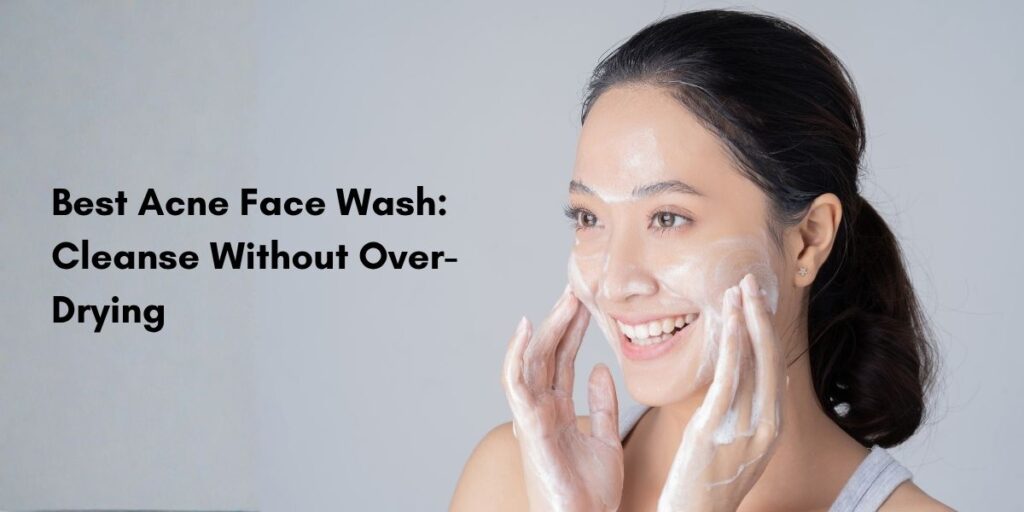
If you have acne- skin finding the right face wash can be a real challenge. Some face washes promise to get rid of acne. They may cause your skin to feel taut and parched. Others are gentle. They do not remove excess oil very well.
The truth is, the best acne face wash is not always the one. A good face wash should remove dirt, oil, sweat and impurities without hurting your skins barrier. If your skin becomes overly dry, it can lead to irritation. Sometimes produce even more oil, which can make acne harder to deal with.
Lets talk about how to choose the acne face wash and create a cleansing routine that helps your skin look healthier.
Why Cleansing Matters for Acne-Prone Skin
During the day, your skin gathers various substances such as:
- Excess oil
- Sweat
- Dirt
- Pollution
- Makeup
- Dead skin cells
When these things mix together they can clog your pores, which’s one of the main reasons people get acne. Cleaning your face regularly helps keep your skin fresh and reduces the buildup that can cause breakouts.
What Makes a Good Acne Face Wash?
A good acne face wash should:
- Remove oil effectively
- Help keep your pores clear
- Be gentle on your skin
- Rinse easily
- Not cause too much dryness
The goal is to find a balance. You do not want to strip your skin of its natural oils.
Ingredients Commonly Found in Acne Face Washes
Salicylic Acid
Salicylic acid is an ingredient in acne face washes. It helps to:
- Clean inside your pores
- Remove oil
- Reduce congestion
Many people with oily or acne-prone skin find it helpful to use salicylic acid as part of their cleansing routine.
Benzoyl Peroxide
Benzoyl peroxide is another ingredient often used in acne treatments and face washes. It may help to:
- Reduce acne-causing bacteria
- Support looking skin
- Improve certain types of breakouts
However it can sometimes be drying, so it is essential to use it carefully and see how your skin reacts.
Niacinamide
Niacinamide is known for its skin-supporting properties. It may help to:
- Improve your skins barrier function
- Reduce the appearance of oil
- Support overall skin balance
It is often included in products designed for acne- oily skin.
Tea Tree Oil
Tea tree oil is an ingredient in acne-focused skincare. Some people find it helpful. It may not be suitable for every skin type.
Always pay attention to how your skin reacts to products containing oils like tea tree oil.
Ingredients That May Cause Problems
Not everyones skin reacts the way but some face washes may be too harsh for acne-prone skin. Some things to watch out for include:
- Strong fragrances
- much alcohol
- Harsh scrubbing particles
- Formulas that strip your skin of its natural oils
If your skin feels tight, irritated or uncomfortable after washing your face wash may be too aggressive.
How to Wash Acne-Prone Skin Properly
Using the face wash is crucial but technique matters too.
Step 1: Use Lukewarm Water
water can irritate your skin and cause dryness. Lukewarm water is usually the option.
Step 2: Apply Cleanser Gently
Massage the cleanser onto your skin using your fingertips. When you do this you need to be gentle with your skin. There are some things you should not do when you apply the cleanser. These things are:
* Scrubbing your skin with the cleanser
* Using much pressure, on your skin with the cleanser
* Over-exfoliating your skin with the cleanser
Gentle cleansing with cleanser works better than scrubbing hard with cleanser.
Step 3: Rinse Thoroughly
Make sure you remove all cleanser residue before you dry your face with a towel. If you leave cleanser on your skin it can cause irritation.
Step 4: Pat Dry
Use a towel. Gently pat your skin dry, with towel. Do not rub your skin because it can make skin or inflamed skin worse.
How Often Should You Wash Your Face?
For people with acne-prone skin, washing:
- Once in the morning
- Once at night
is often enough. You may need to wash your face often after heavy sweating or exercise. However washing your face much can lead to dryness and irritation.
Common Acne Cleansing Mistakes
Washing Too Frequently
Washing your face much can weaken your skins barrier and cause irritation.
Using Harsh Scrubs
exfoliation can make inflammation and sensitivity worse.
Choosing Drying Products
A face wash that leaves your skin feeling tight is not necessarily working better. Healthy skin needs a balance of moisture.
Skipping Moisturizer
Many people with acne avoid using moisturizer because they think it will cause breakouts. However keeping your skin hydrated is essential for supporting your skins barrier.
Constantly Switching Products
Changing products often can make it hard to figure out what works for your skin. Sticking to a routine often provides results.
Can a Face Wash Cure Acne?
A face wash alone is usually not enough to get rid of acne. Acne is influenced by factors including:
- Oil production
- Hormones
- Genetics
- Inflammation
- Pore congestion
A face wash is a part of a skincare routine but you may need additional treatments depending on how bad your acne is.
How to Know If Your Face Wash Is Working
If your face wash is working you may notice:
- Cleaner-feeling skin
- Less excess oil
- Fewer clogged pores
- Less irritation
- Improved skin comfort
It often takes time to see results so it is essential to be consistent.
When Should You See a Dermatologist?
Consider seeing a dermatologist if you have:
- Persistent acne
- Painful cystic breakouts
- Acne scarring
- inflammation
- Breakouts that fail to enhance with standard skincare
A dermatologist can help you figure out the best treatment options for your skin.
Final Thoughts
The best acne face wash is one that effectively removes oil, dirt and impurities without disrupting your skins natural barrier. While it may be tempting to use facial cleansers that make your skin feel thoroughly clean overly harsh products can sometimes do more harm than good.
Focus on cleansing, appropriate ingredients and a consistent skincare routine. Supporting your skin than stripping it can often lead to healthier more balanced results over time.
Remember, managing acne is usually a long-term process and patience is just as important as the products you choose.
Disclaimer
This article is for purposes only and should not be considered medical advice. Acne and skin conditions vary from person to person.
Asked Questions (FAQs)
1. What ingredients should I look for in an acne face wash?
Common ingredients include acid, benzoyl peroxide, niacinamide and other ingredients designed to support acne-prone skin.
2. Can washing my face often clear acne faster?
Not necessarily. Washing your face much can irritate your skin and cause dryness.
3. Is it normal for acne cleansers to make skin dry?
Some ingredients can be drying,. Excessive dryness may indicate that a cleanser is too harsh for your skin.
4. Should people with acne use moisturizer?
Yes. Keeping your skin hydrated is important for oily and acne-prone skin.