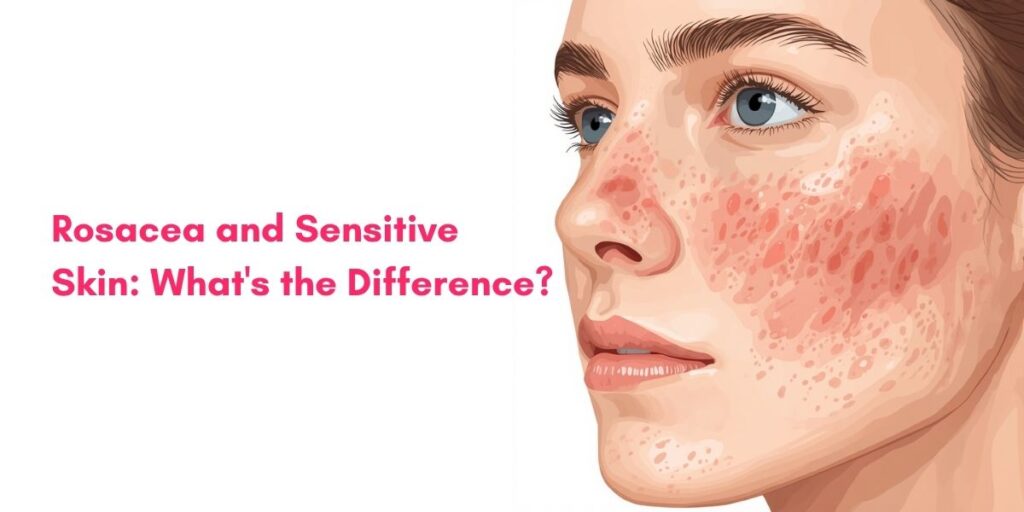
Redness, burning, stinging and irritation are skin problems. They can make it hard to tell whats happening with your skin. Many people think they have skin when they might actually have rosacea. Others worry they have rosacea when their symptoms are caused by skin sensitivity.
Rosacea and sensitive skin are conditions. They have causes and need different management approaches. Understanding the differences can help you choose the right skincare routine. It can also help you know when to seek advice.
Lets take a look at rosacea and sensitive skin.
What Is Skin?
Sensitive skin is not a medical condition. It describes skin that reacts easily to certain triggers.
People with skin may experience:
- Redness
- Stinging
- Burning
- Itching
- Dryness
- Tightness
- Irritation after using skincare products
Sensitive skin can affect anyone. It can be long-term.
Common Triggers for Sensitive Skin
Sensitive skin reactions are often triggered by:
- New skincare products
- Fragrances
- Harsh cleansers
- Over-exfoliation
- Weather changes
- Pollution
- Dry air
Symptoms usually improve once the trigger is removed. The skin barrier is supported.
What Is Rosacea?
Rosacea is an inflammatory skin condition. It primarily affects the face.
It commonly develops in adults. It tends to flare up
Rosacea often affects:
- Cheeks
- Nose
- Chin
- Forehead
Unlike skin rosacea is a medical condition. It may require diagnosis and treatment.
Common Symptoms of Rosacea
Rosacea symptoms can include:
- facial redness
- Visible blood vessels
- Frequent flushing
- Burning or stinging sensations
- Bumps and pimples that resemble acne
- Skin sensitivity
- Episodes of worsening symptoms
Key Differences Between Rosacea and Sensitive Skin
Redness Pattern
Sensitive skin often develops redness. This happens after exposure to a trigger.
Rosacea typically causes recurring facial redness. This is on the central face.
Visible Blood Vessels
Visible blood vessels are commonly associated with rosacea.
These small enlarged blood vessels may become noticeable. They are on the cheeks and nose.
Flushing Episodes
People with rosacea frequently experience flushing episodes.
Triggers may cause the face to suddenly become red and warm.
Acne-Like Bumps
Rosacea can sometimes produce bumps and pimples. They resemble acne.
Long-Term Nature
Sensitive skin may improve significantly. This happens once triggers are identified and avoided.
Rosacea is typically a condition. It may require management.
Similar Symptoms They Share
Because rosacea often involves skin sensitivity the two conditions can overlap.
Both may cause:
- Burning
- Stinging
- Redness
- Dryness
- Irritation
Common Rosacea Triggers
Rosacea flare-ups may be triggered by:
- Sun exposure
- weather
- Cold weather
- Spicy foods
- Alcohol
- Stress
- Exercise
- Hot drinks
Common Sensitive Skin Triggers
Sensitive skin is commonly affected by:
- Fragranced products
- cleansers
- Strong exfoliants
- Certain cosmetic ingredients
- Environmental irritants
Skincare Tips for Sensitive Skin
If you have skin focus on:
- Cleansing
- Regular moisturizing
- Daily sunscreen use
- Avoiding harsh ingredients
- Introducing new products slowly
Skincare Tips for Rosacea
People with rosacea often benefit from:
- Gentle skincare products
- Consistent sun protection
- Trigger management
- Avoiding heat
- Professional medical guidance when needed
When Should You See a Dermatologist?
Consider seeking evaluation if you experience:
- Persistent facial redness
- Flushing
- Visible blood vessels
- Acne-like bumps with redness
- Symptoms that continue despite gentle skincare
Can You Have Both?
Yes many people with rosacea also have sensitive skin.
How Is Rosacea Diagnosed?
Rosacea is typically diagnosed by a dermatologist based on:
- Skin appearance
- Symptom history
- Pattern of redness
- Presence of flushing or visible blood vessels
Final Thoughts
Rosacea and sensitive skin can look simila. They are not the same.
Disclaimer
This article is for purposes only. It should not be considered advice.
Asked Questions (FAQs)
1. Is rosacea the same as skin?
No sensitive skin describes skin that reacts easily to triggers. Rosacea is an inflammatory skin condition.
2. What are the first signs of rosacea?
Common early signs include redness, flushing, skin sensitivity and visible blood vessels.
3. Can sensitive skin turn into rosacea?
Sensitive skin does not necessarily develop into rosacea.
4. Does rosacea cause acne?
Rosacea can cause acne- bumps and pimples.
5. When should I see a dermatologist, for redness?
If redness is persistent accompanied by flushing, blood vessels or recurring irritation a dermatologist can help.