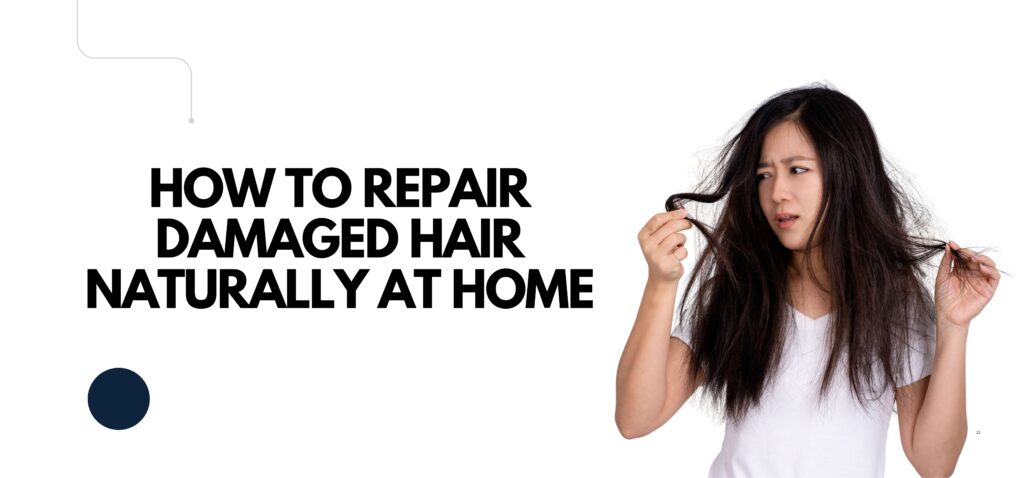
A client once shared that her stylist advised against using Olaplex No.3 because her hair hadn’t undergone chemical treatments. She was told, “Without broken bonds, the product might just weigh your hair down.” This advice is more common than you think, but it’s not entirely accurate. Let’s clarify this misconception.
First, What Does Olaplex No.3 Actually Do?
Olaplex technology targets the disulfide bonds located in your hair’s cortex. These bonds are key to maintaining the strength and structure of each strand. While chemical processes such as bleaching, colouring, perming, and relaxing do sever many of these bonds, it’s important to remember that everyday activities can damage them as well.
Heat styling, exposure to hard water (a problem in many Indian cities), the sun, friction from cotton pillowcases, tying hair tightly, and even pollution all contribute to bond damage over time. You needn’t undergo a salon colouring session to have compromised bonds. If you’ve ever straightened your hair with an iron, let it dry under the sun, or noticed dull, rough ends post-monsoon, your bonds have likely suffered.
Olaplex No.3 is a Hair Perfector used at home, not a conditioner. Its purpose is to mend broken disulfide bonds before you shampoo. Consider it as preliminary repair work that takes place before cleansing.
So Who Actually Needs It?
More people should be using it than currently are, and it’s not solely for those seeking dramatic hair repair as marketing might imply.
- Colour-treated hair: Here, bond breakage is notably significant. Those using permanent colour, highlights, balayage, or bleach regularly will observe improvements in texture and elasticity with consistent use.
- Heat stylers: Regular blow-drying, straightening, or curling accumulates bond damage. No.3 aids in gradually reversing some of that damage.
- Hard water exposure: The mineral build-up from hard water gradually weakens hair shafts. This issue is prevalent in India but often overlooked. No.3 cannot remove the minerals but supports the structural strength.
- Frizzy or coarse Indian hair textures: Individuals with naturally thick, coarse, or wavy hair often notice better smoothness and manageability with regular use of No.3, even without chemical services.
- Anyone with dull, rough or snapping ends: These symptoms of bond damage occur regardless of your colouring history.
Those with genuinely healthy, untreated hair who don’t heat style, who live in soft water areas, and who naturally have strong strands may notice fewer dramatic results. While the product won’t harm their hair, the visible benefits might be minimal. That’s the straightforward truth.
The “It’ll Just Sit There” Myth, Addressed
The fear that No.3 will either be ineffective or harmful for non-damaged hair isn’t substantial. Bond builders operate differently from harsh chemicals that alter hair conditions indiscriminately. If there are fewer broken bonds to target, the formula simply has less work to accomplish. It doesn’t weaken or weigh down your hair. The worst-case scenario is spending money and time on treatment with modest results. That’s worth noting, though it’s far from being “unhealthy” to use.
The product includes conditioning agents together with its active ingredients, offering some degree of smoothness for most users. However, if substantial repair isn’t needed and your hair’s in good condition, a quality deep conditioning mask might provide similar smoothness at a lower cost. Gauge what results you really seek.
How to Use Olaplex No.3 at Home Correctly
Proper application is more crucial than many realise. Missteps in usage often lead to claims that it “doesn’t work.”
- Start with damp, towel-dried hair. Aim for hair that’s not dripping wet nor completely dry. Lightly towel dry after rinsing or a quick shower wet-down.
- Apply generously from roots to ends. Remember, this is a pre-shampoo treatment, not a conditioner. Underapplication is common. For thick hair, section and apply thoroughly.
- Leave it on for at least 10 minutes. Olaplex suggests this as a minimum. For heavily damaged hair, 30 to 90 minutes might yield better outcomes. Some keep it in overnight using a shower cap.
- Do not apply heat. Unlike other treatments, No.3 does not require heat activation. Room temperature suffices.
- Rinse thoroughly, then shampoo and condition as usual. Use Olaplex No.4 and No.5 if available, or your regular products. It’s crucial to rinse No.3 out before shampooing.
- Frequency: For damaged or chemically treated hair, once a week. If your hair is mostly healthy, once or twice monthly suffices for upkeep.
A practical tip for Indian users: if you have very hard water, consider an apple cider vinegar rinse or a filtered showerhead before treatment. Mineral deposits can affect how well any bond-building treatment penetrates.
What to Realistically Expect
No.3 can’t reverse disastrous bleach results instantly. If your hair is overly processed, feels mushy, or prone to breakage, consult a professional stylist first rather than rely on DIY fixes. Bond builders are supportive, not miraculous, and very damaged hair often requires professional treatment, a cut, or both.
For everyone else, using it consistently typically results in less breakage, a smoother feel, and enhanced elasticity over a few weeks. Don’t evaluate its effectiveness after a single application.
For Salon Professionals
Managing Client Expectations at Consultation
If a client mentions being told No.3 isn’t suitable because their hair isn’t damaged, seize it as a consultation chance. Conduct a quick strand test: check elasticity by stretching a wet strand, assess porosity by water absorption speed, and discuss their heat styling habits and water quality at home. Most urban Indian clients, particularly in cities with hard water like Delhi, Mumbai, or Bengaluru, have some level of bond stress even without chemical procedures.
Clearly set expectations. A client with naturally healthy hair using No.3 regularly for maintenance differs greatly from one coping with bleaching damage. Both scenarios are valid but warrant distinct explanations regarding what to anticipate and when.
In-Salon Positioning and Service Menu
Olaplex’s professional line (No.1 and No.2) is tailored for use alongside in-salon chemical treatments. If retailing No.3, base recommendations on genuine hair needs. A client who colours every six weeks benefits from weekly No.3 treatments. Conversely, a client with unprocessed hair might only need it monthly for maintenance.
Resist the urge to upsell it indiscriminately. Clients buying it without tangible results won’t trust future retail recommendations. Deliberate and honest advice strengthens long-term customer trust.
Aftercare Advice for Clients Post-Chemical Service
Provide clients leaving with written No.3 instructions post-colour, bleach, or relaxation. Specify application on damp hair pre-shampooing, at least weekly for the first month, and advocate for a 30-minute minimum rest period. Many clients wash it out prematurely or use it post-shampoo, diminishing results and possibly causing them to abandon the product. A printed aftercare card is beneficial.
A Note on Pricing and Retail
Olaplex No.3’s pricing in India ranges from a few hundred to over a thousand rupees, contingent upon size and retailer. Prices vary notably across authorised salon stockists, e-commerce sites, and grey market offerings. If sold in your salon, emphasise being an authorised, reliable source. Clients often value this assurance after negative experiences with counterfeit purchases online. Highlight this to deter them from opting for cheaper, unverified alternatives.
FAQs
Can I use Olaplex No.3 if I don’t colour my hair?
Yes, you can. Activities like heat styling, sun exposure, and everyday wear cause bond damage, even without chemical treatments. No.3 is safe for non-colour-treated hair, though noticeable effects might be subtle if your hair is robust.
How often should I use Olaplex No.3 in India’s climate?
For chemically treated or styled hair, using it once a week is effective. For relatively healthy hair, once or twice a month should suffice. During monsoon months, when frizz and texture concerns rise, consider slightly increasing frequency. Monitor your hair’s response over four to six weeks and adjust accordingly.
Will Olaplex No.3 weigh down fine Indian hair?
It’s unlikely, as it’s rinsed out prior to shampooing. If your hair feels heavy, ensure you’re thoroughly rinsing the product beforehand or using an appropriate amount for your hair’s thickness. A gentler application and proper rinsing should help.