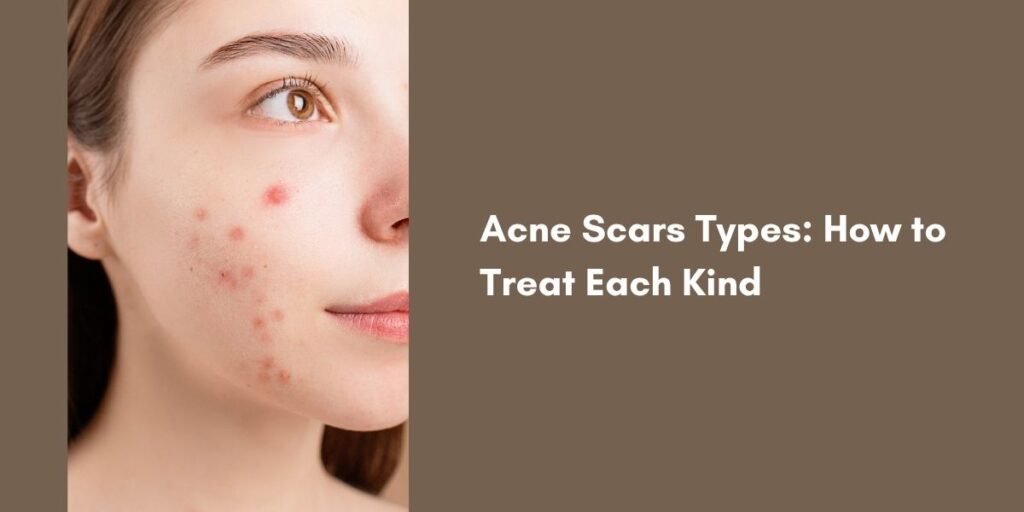
Acne can go away. The marks it leaves behind can stay for a long time. Acne scars can change the way your skin looks and feels which can be really frustrating.
To get rid of acne scars you need to know what kind of scar you have. Different scars form in ways and not all treatments work for every scar. What works for one type of scar might not work for another.
Lets look at the common types of acne scars and how to make them look better.
What Causes Acne Scars?
Acne scars happen when your skin gets inflamed and the tissue underneath it gets damaged. When your skin is healing it makes collagen to fix the damage. If it makes little or too much collagen a scar can form.
You are more likely to get scars if:
- Your acne is really bad
- Your breakouts are red. Inflamed
- You. Squeeze your pimples
- You do not treat your acne away
- Your acne lasts for a time
Not every pimple leaves a scar but if the inflammation is deep it can change your skin forever.
Acne Scars vs Post-Acne Marks
A lot of people get acne scars and post-acne marks mixed up.
Post-Acne Marks
These are spots that stay after a pimple goes away. They can be red, pink, brown or dark. These marks usually go away on their own after a while.
Acne Scars
Acne scars change the way your skin looks and feels. They can look like holes, dips or bumps. Unlike marks scars do not usually go away without help.
Ice Pick Scars
Ice pick scars are a type of acne scar. They look like narrow holes or small punctures in your skin. These scars can be hard to treat because they go into your skin.
Treatment Approaches
Ice pick scars often need help to get better. It usually takes a treatments to see improvement.
Boxcar Scars
Boxcar scars look like round or oval dips in your skin. They have edges and are usually wider than ice pick scars. They often show up on your cheeks and temples.
Treatment Approaches
The way to treat scars depends on how deep they are. Shallow scars are easier to fix than ones. Professional help can make a difference.
Rolling Scars
Rolling scars make your skin look wavy or uneven. They are like dips with soft edges. These scars happen when tissue under your skin pulls it down.
Treatment Approaches
To fix scars you need to loosen the tissue under your skin and make your skin look smoother. Professional help can make a difference.
Hypertrophic Scars
Hypertrophic scars are. Firm. They happen when your skin makes much collagen when it is healing. They can look like bumps on your skin.
Treatment Approaches
To fix scars you need to reduce the extra tissue and make your skin look smoother. Getting help early can make a difference.
Keloid Scars
Keloid scars are like scars but they can grow bigger than the original pimple. They can keep growing. Get bigger over time. Some people are more likely to get scars because of their genes.
Treatment Approaches
Keloid scars need medical help. You should not try to fix them on your own.
Can At-Home Treatments Help Acne Scars?
Taking care of your skin at home can help your skin look better and stay healthy. It can help improve your skin texture make collagen and fade marks… If you have bad acne scars you might need professional help to see a big difference.
Importance of Sun Protection
Protecting your skin from the sun is important when you are trying to get rid of acne scars. Much sun can make your scars look worse slow down healing and make your skin look darker.
Using sunscreen every day can help protect your skin and make your treatments work better.
Why Picking Acne Increases Scarring
Picking or squeezing your pimples can make your acne scars worse. It can make your skin more inflamed damage the tissue around it and slow down healing. If you do not pick your pimples you can reduce your chances of getting scars.
When Should You Seek Professional Treatment?
You should see a dermatologist if your acne scars are bothering you if they are deep or widespread if taking care of your skin at home is not working or if you have raised or growing scars. A dermatologist can help you figure out the way to treat your scars.
Can Acne Scars Be Removed Completely?
It depends on the type of scar how deep it’s your skin type and the treatment you use. While some treatments can make a difference it is not always possible to get rid of acne scars completely. The goal is to make them look better not to make them perfect.
How to Prevent Future Acne Scars
The best way to prevent acne scars is to take care of your acne consistently. You can do this by treating your acne away not picking your pimples taking care of your skin every day using sunscreen and seeing a dermatologist if you have bad acne.
Final Thoughts
Acne scars come in types, such as ice pick scars, boxcar scars, rolling scars, hypertrophic scars and keloids. Each type is different. Might need a different treatment. Understanding what kind of scar you have is the step to making your skin look better. While taking care of your skin at home can help deep scars often need help.
If acne scars are bothering you or affecting your life you should see a dermatologist. They can help you come up with a plan to treat your scars and make your skin look better.
Disclaimer
This article is for information and should not be considered medical advice. Acne scars and treatments are different for everyone. You should see a dermatologist or a qualified healthcare professional for advice and treatment.
Asked Questions (FAQs)
1. What are the main types of acne scars?
The common types are ice pick scars, boxcar scars, rolling scars, hypertrophic scars and keloids.
2. Can acne scars disappear naturally?
Some marks might fade over time. Real acne scars usually need treatment to get better.
3. Which acne scar is hardest to treat?
Ice pick scars are often the hardest to treat because they go into your skin.
4. Does picking pimples cause acne scars?
Yes picking and squeezing pimples can make your skin more inflamed and increase your chances of getting scars.
5. When should I see a dermatologist, for acne scars?
You should see a dermatologist if your scars are deep, widespread, raised or bothering you. They can help you figure out the way to treat your scars.