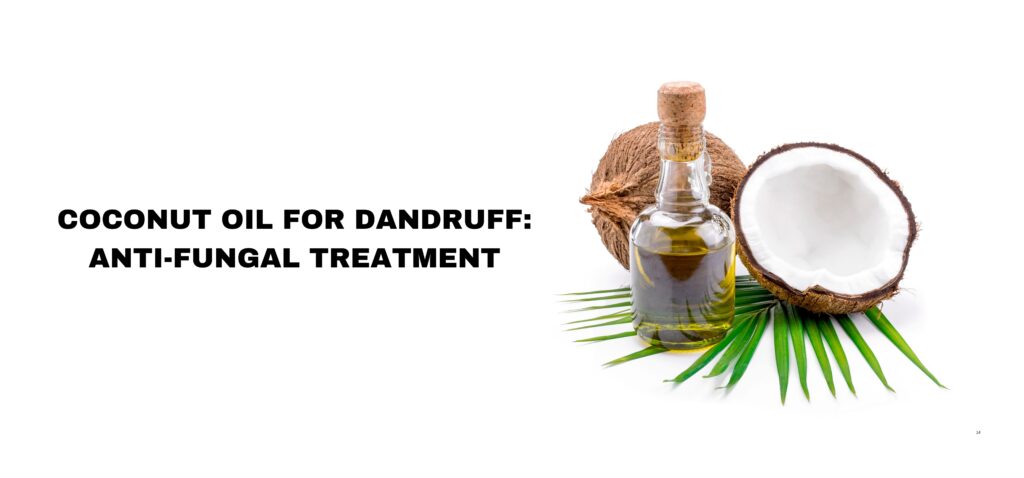
Coconut oil has been used for a time to take care of hair and scalp. It helps with dryness. Makes hair soft… Does coconut oil help with dandruff?
Many people think coconut oil can reduce flakes stop itching and make the scalp healthier. Some people even think it is a way to fight fungus. Coconut oil does have some properties that can help the scalp. It is important to know what it can and cannot do before using it.
Lets see how coconut oil affects dandruff. If it should be part of your scalp care routine.
What Is Dandruff?
Dandruff is a problem that affects the scalp. It causes:
- yellow flakes
- Itching on the scalp
- Mild irritation
- Skin cells to shed
Many things can cause dandruff, including:
- Too much oil on the scalp
- Dry scalp
- Sensitive skin
- A type of fungus called Malassezia
Because dandruff can be caused by things what works for one person may not work for another.
Why Do People Use Coconut Oil for Dandruff?
Coconut oil has acids, like lauric acid, which can help moisturize and fight off bad microorganisms.
People use coconut oil because it may:
- Reduce dryness on the scalp
- Keep moisture in
- Soothe irritation
- Help the scalps barrier
These benefits can make dandruff symptoms less noticeable.
Does Coconut Oil Really Fight Fungus?
Studies have shown that coconut oil has compounds that can fight off microorganisms in a lab.
Lauric acid, a fatty acid in coconut oil may help stop the growth of certain bad microorganisms.
Because dandruff is often linked to Malassezia some people think coconut oil may help keep the scalp healthy.
However coconut oil is not a proven treatment for fungal dandruff.
Medicated products are still the way to treat dandruff when fungus is a big factor.
How Coconut Oil Can Help with Dandruff
Reduces Dryness
A dry scalp can produce flakes that look like dandruff. Coconut oil helps reduce moisture loss and softens skin.
This can make the scalp feel better for people whose flakesre due to dryness.
Soothes Itching
Dryness and irritation can cause itching on the scalp. Some people find that coconut oil gives them relief from discomfort.
Supports the Scalp Barrier
The scalps barrier helps keep moisture in and protects against the environment.
Proper hydration can support this barrier and overall scalp health.
Loosens Flakes
Applying coconut oil can. Loosen flakes making them easier to remove when washing.
This can improve the appearance of the scalp for a time.
When Coconut Oil May Not Help
Although coconut oil has benefits it is not good for every type of dandruff.
Oily Dandruff
People with scalps may find that adding more oil makes their symptoms worse.
Because Malassezia thrives in environments using too much oil may not always be helpful.
Severe Dandruff
Bad dandruff often needs targeted treatment.
In these cases medicated shampoos are usually more effective than home remedies
Other Scalp Conditions
Not all scalp flakes are dandruff.
Conditions like:
- Psoriasis
- Eczema
- Seborrheic dermatitis
may need treatment plans.
How to Use Coconut Oil for Dandruff
Step 1: Choose Good Coconut Oil
Look for high-quality coconut oil that is not processed much.
Step 2: Apply a Little
massage a small amount onto the scalp focusing on dry or flaky areas.
Step 3: Leave It On for a Bit
Let the oil sit for a time.
Do not leave much oil on the scalp for too long if you have an oily scalp.
Step 4: Wash Thoroughly
Use a shampoo to remove the oil completely.
Proper cleansing helps prevent buildup.
How Often to Use Coconut Oil
The ideal frequency depends on your scalp type.
People with scalps may be able to use it occasionally while those with oily scalps may need to use it less often.
Pay attention to how your scalp responds and adjust accordingly.
Common Mistakes to Avoid
Applying Much Oil
Using too much oil does not mean better results.
It can leave the scalp greasy. Contribute to buildup.
Not Washing After Treatment
Leaving oil residue on the scalp can sometimes make scalp issues worse.
Using Coconut Oil as the Only Treatment
If dandruff is bad or persistent relying on coconut oil may delay effective treatment.
Other Treatments for Dandruff
There are ingredients that are proven to help with dandruff including:
- Ketoconazole
- Zinc pyrithione
- Selenium sulfide
- acid
These ingredients are made to target common dandruff-related factors.
Keeping Your Scalp Healthy
Whether you use coconut oil or not taking care of your scalp is important.
Wash Your Hair Regularly
Keep a cleansing schedule that’s right for your scalp type.
Do Not Use Many Products
Heavy styling products can contribute to scalp discomfort.
Manage Stress
Stress can sometimes make scalp conditions worse. Cause flare-ups.
Eat a Balanced Diet
Nutrients that’re good for your scalp include:
- Protein
- Zinc
- Iron
- Healthy fats
- Vitamins
Good nutrition supports skin and hair.
When to See a Dermatologist
Consider seeing a dermatologist if:
- Dandruff does not go away with treatment
- Itching gets bad
- Redness becomes
- Hair shedding increases
- Thick plaques appear on the scalp
A dermatologist can find the underlying cause and recommend the treatment.
Final Thoughts
Coconut oil is a natural remedy that may help with scalp hydration reduce dryness and give temporary relief from mild dandruff symptoms.
Its fatty acids have gotten attention for their potential to fight off fungus and bad microorganisms making it a good option for those looking for an approach to scalp care.
However coconut oil is not a replacement for recognized dandruff treatments.
While it may help with scalp comfort in some people those with dandruff or bad scalp conditions may need more targeted solutions.
The best approach is to balance things: keep your scalp clean use proven treatments when needed and consider coconut oil as an addition, not a cure-all.
Healthy hair starts with a scalp and understanding your scalps needs is the key to long-term results.
Disclaimer
This article is for purposes only and should not be considered medical advice. Natural remedies may not be good for everyone. Can sometimes make certain scalp conditions worse. Consult a healthcare professional or dermatologist for persistent dandruff scalp irritation or significant hair loss.
Asked Questions (FAQs)
1. Can Coconut Oil Cure Dandruff Forever?
No. Coconut oil may help manage symptoms in some people. It is not a permanent cure for dandruff.
2. Does Coconut Oil Have Anti-Fungal Properties?
Coconut oil has compounds that have shown -fungal activity in lab studies but it is not a replacement for proven anti-dandruff medications.
3. Is Coconut Oil Good for a Dry Scalp?
Yes. Coconut oil can help moisturize a scalp and reduce dryness-related flakes.
4. Can Coconut Oil Make Dandruff Worse?
In some people with dandruff using too much oil may make symptoms worse or contribute to buildup.
5. How Often Should I Use Coconut Oil, for Dandruff?
It depends on your scalp type. Some people can use it occasionally while others may need to use it often. Pay attention to how your scalp responds and adjust accordingly.