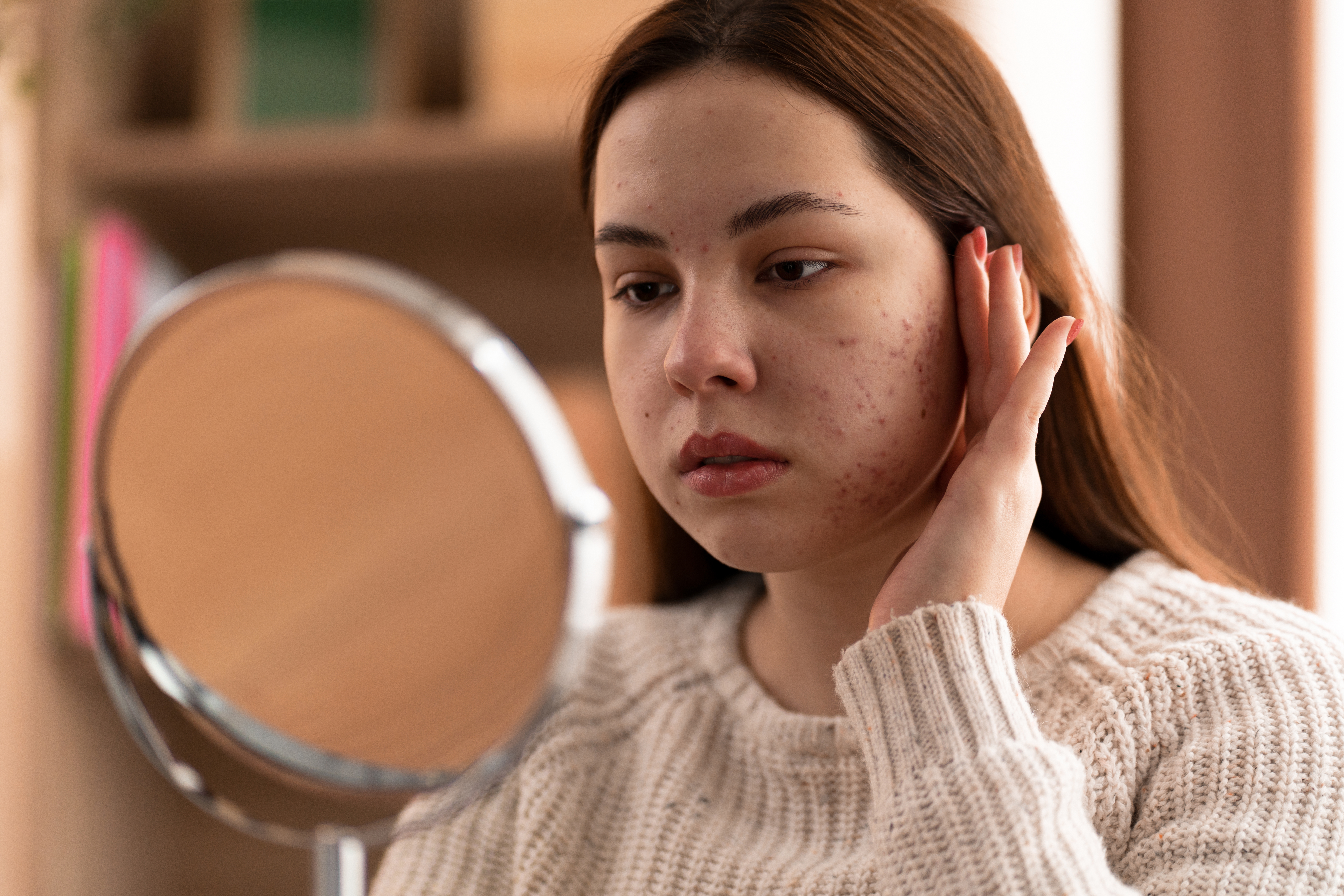
Introduction
Cystic acne is considered one of the more severe forms of acne and often appears as deeper, painful bumps beneath the skin surface. Unlike small pimples or blackheads, cystic acne develops deeper inside the skin and may take longer to improve. It can sometimes affect confidence and may leave visible marks if not managed carefully.
Understanding possible triggers and healthy skincare habits can help support clear healthy skin and improve overall skin comfort.
What Is Cystic Acne?
Cystic acne develops when oil, dead skin cells, and other impurities become trapped beneath the skin surface and create deeper inflammation.
It commonly appears as:
- Large painful bumps
- Deep skin swelling
- Redness appearance
- Sensitive areas beneath the skin
Cystic acne may appear on:
- Face
- Jawline
- Chest
- Back
- Shoulders
Common Causes of Cystic Acne
Several factors may contribute to cystic acne development.
Common causes include:
- Hormonal changes
- Excess oil production
- Genetics
- Stress levels
- Lifestyle factors
- Clogged pores
Different people may experience different triggers.
Hormonal Changes and Breakouts
Hormones can influence how much oil the skin produces.
Hormonal changes commonly occur during:
- Teenage years
- Menstrual cycles
- Pregnancy
- Different life stages
Changes in oil production may sometimes contribute to deeper breakouts.
Lifestyle Factors That May Influence Skin
Daily routines can sometimes affect skin condition.
Lifestyle-related factors may include:
- Lack of sleep
- High stress levels
- Irregular routines
- Environmental exposure
Healthy routines often support overall skin maintenance.
Prevention Habits That May Help
Simple skincare habits may help support skin comfort and maintenance.
Helpful habits include:
- Following gentle cleansing routines
- Avoiding excessive touching of the face
- Maintaining hydration
- Following balanced daily habits
- Keeping routines consistent
Healthy habits often support healthier-looking skin.
Common Mistakes People Make
Some daily habits may unintentionally worsen skin discomfort.
Common mistakes include:
- Picking or squeezing breakouts
- Excessive scrubbing
- Frequently changing routines
- Using harsh products repeatedly
- Ignoring hydration habits
Avoiding these habits may help support healthier-looking skin.
Why Consistency Matters
Many people expect immediate changes and switch routines quickly.
Consistent routines may help support:
- Better skin maintenance
- Healthier-looking appearance
- Improved comfort
- Long-term skincare habits
Small daily habits often create gradual improvements.
Final Thoughts
Cystic acne can be more challenging than common breakouts because it develops deeper beneath the skin. Understanding possible causes and maintaining balanced skincare habits may help support smooth healthy skin and improve long-term skin comfort.
Disclaimer
This content is for informational purposes only and should not be considered medical advice. Persistent or severe skin concerns may require professional evaluation.