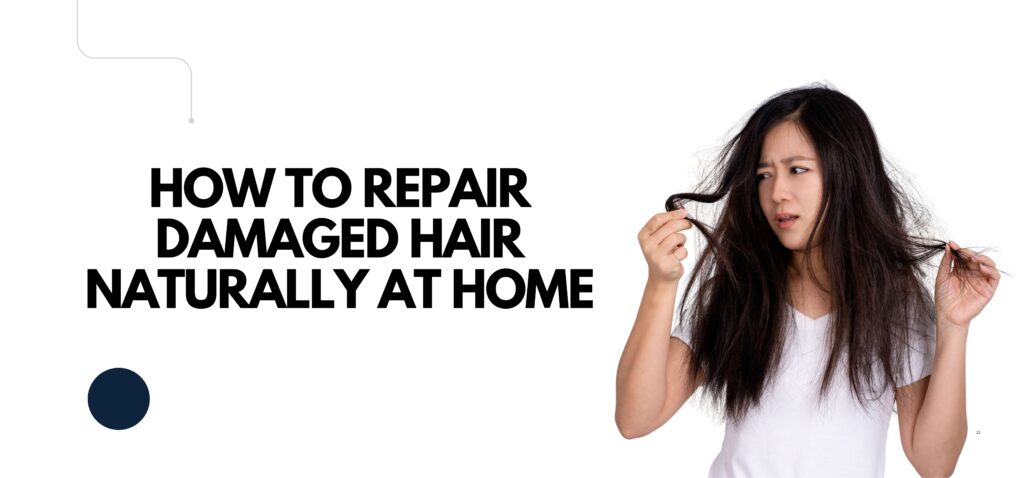
Experiencing that satisfying feeling when you walk out of a salon with a vibrant, fresh colour, only to watch it fade to an uneven or brassy hue within just a few weeks? Hard water might be the culprit. Many Indian cities, including Delhi, Bengaluru, Pune, and Chennai, have tap water rich in calcium, magnesium, and at times, iron. These minerals can wreak havoc on colour-treated hair, causing damage much faster than many realize.
Why Hard Water and Hair Colour Are a Bad Combination
Whether you have a beautiful brunette tone, trendy balayage, or a striking fashion colour, the dye is held both inside the hair shaft and on the cuticle surface. The cuticle, the hair’s outermost layer, consists of tiny overlapping scales similar to roof tiles. When these scales lie flat, the colour appears smooth and vibrant. If they lift or become rough, light disperses unevenly, making the colour look lacklustre.
Hard water exacerbates this problem. It deposits calcium and magnesium ions on the hair shaft, forming a mineral layer that roughens the cuticle. This mineral buildup creates a barrier, hindering conditioning treatments and colour-depositing products from penetrating effectively. This results in a frustrating cycle: your costly treatments aren’t fully absorbing, and your colour fades quicker than expected.
The presence of iron in water, often from borewells, introduces another issue. Iron oxidizes on the hair, potentially shifting cool-toned colours to undesirable orange or red hues, and it can cause blonde or highlighted hair to turn brassy or green. If you’ve noticed your ash blonde turning warm and muddy between salon visits, suspect iron contamination.
Signs That Hard Water Is Affecting Your Colour
- Colour fades noticeably within two to three weeks after your salon appointment, especially around the hairline and crown where water is most direct.
- Brassiness appears on highlighted or lightened hair, even when using a purple shampoo.
- The hair feels rough or straw-like post-wash, even immediately after a conditioning treatment.
- Colour appears uneven, darker at the ends (due to product buildup) and washed out at the roots.
- Scalp and hair feel heavy or coated right after shampooing.
These signs may also resemble heat damage or over-processing, so consider your water source before concluding your colour formula is at fault.
Step-by-Step: How to Protect Colour-Treated Hair From Hard Water
Step 1: Clarify First, Gently
Begin by removing the existing mineral buildup on your hair. Regular shampoos won’t cut it. You need a chelating or clarifying shampoo that uses specific acids, often based on EDTA or citric acid, to bind and lift mineral ions from the hair shaft.
Use a chelating shampoo once every two to three weeks, not daily. Overuse strips away your colour along with the minerals. Always follow up with a rich conditioner or colour-protecting mask, as clarifying shampoos can naturally be drying.
Wella Professionals has a range within their color care line that includes a pre-treatment designed for mineral and product buildup before colour services. Schwarzkopf Professional’s BC Bonacure line has colour-specific cleansing options worth trying. Ask your salon if they offer a chelating treatment you can use at home between visits.
Step 2: Switch to a Colour-Safe, Sulphate-Free Routine for Daily Washing
On regular wash days, use a sulphate-free shampoo to calm the cuticle and slow down the colour molecules’ removal from the hair shaft. Sulphates are potent cleansers but can be harsh, and on hair already vulnerable from mineral deposits, this can strip it even further.
Kérastase‘s Chroma Absolu range is tailored for colour-treated hair, offering products that protect tone while conditioning. Matrix’s Color Obsessed line provides a budget-friendly option that’s effective for continuous home use on coloured hair. While they can’t work miracles on their own without addressing mineral issues separately, they contribute significantly to a comprehensive haircare routine.
Step 3: Use a Weekly Colour-Protecting Mask or Treatment
Once you’ve managed the mineral buildup and your daily routine is gentler, incorporating a weekly mask helps seal the cuticle and replenish what hard water and colour processes have stripped away. Look for masks with ingredients that promote cuticle smoothing, like fatty alcohols, ceramides, or amino acids.
Kérastase Chroma Absolu offers such a mask. Wella Professionals’ Invigo Color Brilliance range includes a mask that suits medium to coarse hair, common in many Indian hair types. Apply it from mid-length to ends, leave it under a shower cap for at least five minutes if possible, then rinse with cool water to help the cuticle close.
Step 4: Rinse With Filtered or Low-Mineral Water When Possible
This step can seem inconvenient, and to some extent, it is. However, rinsing your hair with filtered water at the end of a shower, after washing out shampoo and conditioner under tap water, significantly helps over time. Residents in cities with extremely hard water sometimes install shower filters attached directly to the shower head to reduce mineral content. These filters are available online in various price ranges. Though they don’t replace the steps mentioned above, they reduce the mineral load in every wash.
Step 5: Book a Professional Mineral Treatment at the Salon Every 6 to 8 Weeks
Home care products help greatly, but a professional in-salon chelating or colour-protection treatment revitalizes hair in a way home products cannot fully replicate. Most professional salons in major cities offer mineral removal or colour refresh treatments. Specifically request a chelating or bonding treatment before your colour appointment. Having this done prior to a colour touch-up ensures the colour is applied to a clean, mineral-free surface, resulting in better penetration, more even application, and longer-lasting colour.
A Note on Brassiness Specifically
If you mainly struggle with warm, brassy tones on highlighted or bleached hair, a purple or blue toning shampoo weekly can address this warmth. These shampoos work on colour theory principles: purple cancels yellow, blue cancels orange. Wella Professionals’ Invigo Blonde Recharge and Schwarzkopf Professional’s BlondMe range both offer toning options. Use them for only two to three minutes before rinsing, as leaving them longer may lead to an unintentional violet tint, which might not be desired.
It’s vital to remember that toning shampoos merely manage the visible symptoms. The mineral buildup persists. Both strategies must be used together for effective results.
What to Skip or Be Careful About
Some seemingly helpful remedies can backfire. DIY apple cider vinegar rinses are popular online for dissolving minerals, but frequent or concentrated usage can strip colour and dry out hair. Dilute heavily, one tablespoon to a cup of water, and apply no more than once a month on colour-treated hair.
Be cautious that not all clarifying or chelating shampoos are colour-safe. Some are formulated for natural hair and are quite harsh. Always ensure any clarifying shampoo you use is safe for colour-treated hair.
Lastly, if your scalp is sensitive, very dry, or if you have any dermatological concerns, consult a dermatologist before making significant routine changes. Chelating shampoos can be drying, especially to a sensitive scalp.
For Salon Professionals
Hard water is often an overlooked factor in colour problems within Indian salons, with clients rarely connecting the two. Incorporating it into your consultation process can set your business apart while providing valuable service to your clients.
Add a Hard Water Question to Your Colour Consultation
Ask clients directly if they use borewell water or municipal supply. Do they notice buildup or roughness between washes? Have they used a chelating shampoo before? This discussion can clarify issues like premature fading, irregular lift during lightening, and uneven tonal results. Identifying a problem clients couldn’t articulate builds enormous trust.
Pre-Treatment Before Every Colour Service
Consider building a chelating pre-treatment into your colour service protocol. Mineral deposits affect how evenly colour develops, how well pigment deposits, and colour longevity. Starting with clean, mineral-free hair supports reliable results. Both Wella Professionals and Schwarzkopf Professional offer professional-grade chelating or pre-treatment options. If you use bonding systems such as those from Schwarzkopf Professional during colour services, a chelating step works synergistically rather than conflicting.
Recommend a Retail Routine Honestly
After a colour service, guide clients towards a straightforward regimen: a sulphate-free colour shampoo for daily use, a chelating shampoo for bi-weekly use, and a weekly mask. Demonstrate how a chelating shampoo works, stressing why frequency matters. Clients informed about their routine are more likely to adhere, ensuring they return for touch-ups with well-maintained hair that achieves even colour coverage.
Stock at least one chelating product option from your professional supplier. Kérastase, Wella Professionals, Matrix, and Schwarzkopf Professional provide retail options in this category. Educating clients about this category fosters loyalty, even if purchases aren’t made directly at your salon.
Service Menu Opportunity
Introduce a “Hard Water Reset” or “Mineral Detox” service in your offerings. Include a chelating treatment, scalp analysis, and colour-protect mask, priced as a standalone service or bundled with colour treatments. In metro areas where hard water poses a recognized challenge, such a specialized service can draw in clients who’ve struggled elsewhere without finding the root cause addressed. Typical INR pricing for this professional treatment begins around 800 to 1,500 rupees, though it varies significantly by city, salon tier, and products used.
FAQs
How do I know if my water is hard enough to damage my hair colour?
Fill a clear bottle with tap water, add a few drops of liquid soap, and shake. If it lathers poorly and appears cloudy or milky instead of soapy, your water likely has high mineral content. You can also purchase TDS meters online to measure total dissolved solids; readings over 300 to 400 ppm suggest hard water that needs attention, especially for colour-treated hair.
Will a purple shampoo fix the brassiness caused by hard water?
While it temporarily reduces visible warmth, it doesn’t remove the underlying mineral deposits causing the issue. It’s akin to covering a spot with concealer rather than treating it. Use purple or blue toning shampoo for a visual solution, but pair it with a chelating shampoo every two to three weeks to address the mineral buildup beneath.
Which professional brand is best for colour protection in hard water conditions in India?
The best option varies based on hair type, colour service, and budget. Kérastase Chroma Absolu excels for fine to medium hair requiring both colour protection and nourishment. Wella Professionals Invigo Color Brilliance is effective for coarser hair. Matrix Color Obsessed offers good results at a more accessible price point. The brand is less critical than ensuring a chelating step and a colour-safe daily care regimen are in place. Consult your colourist to see which range they professionally use and recommend, then stick to it for consistency.