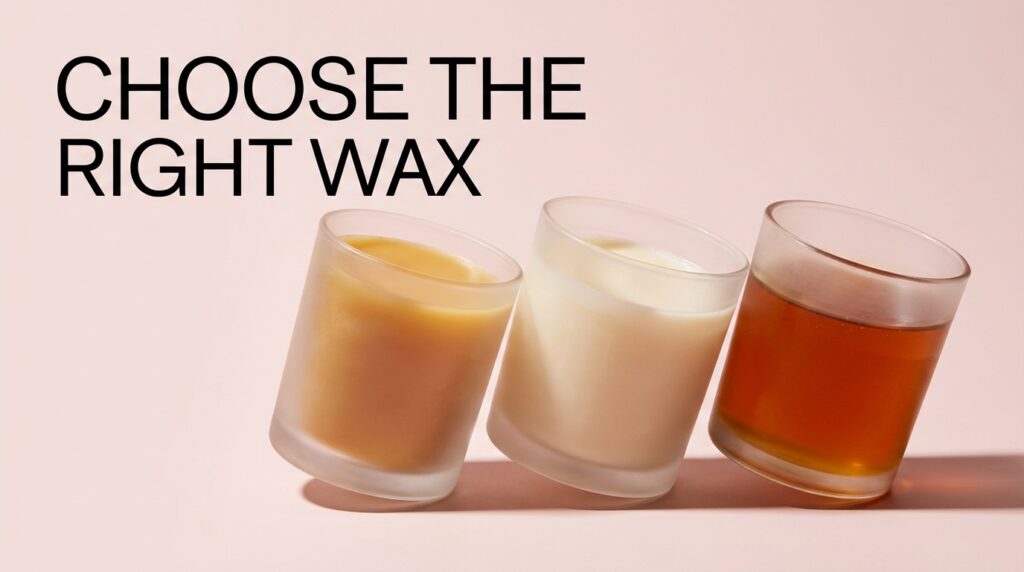
Walking into any salon supply store or browsing through a beauty retailer’s shelves, you’ll likely notice at least three distinct types of wax: hard wax, soft wax, and honey wax. While they all serve the purpose of hair removal, their effects on the skin can vary significantly. Choosing the wrong type for an area can lead to irritation, breakage, missed spots, or an overall unpleasant experience. Let’s break down what each wax type actually does, where it performs best, and where it might be better left unused.
What Makes Each Wax Different
Understanding the fundamental nature of each wax type is essential before discussing specific body areas. It’s akin to the difference between a knife, scissors, and a peeler. All are cutting tools but serve distinct functions.
Hard Wax
Warm and thick, hard wax is applied directly onto the skin. As it cools, it hardens and grips the hair, allowing you to pull it off without a strip. Its ability to wrap around each hair instead of adhering to the skin makes it gentler, minimizing surface trauma. This quality makes it ideal for sensitive areas with coarse hair or smaller surfaces.
However, it’s not the best choice for larger areas like the legs. It requires more time to apply, is costlier per session, and if not used correctly, can break or crumble, making a clean pull difficult.
Soft Wax (Strip Wax)
Soft wax is applied in a thin layer with a spatula and removed with a strip of paper or fabric. It adheres to both the hair and the skin’s top layer, offering a quick and clean result on larger areas. It’s effective on fine to medium hair and covers large areas efficiently.
There’s a downside, though. Because soft wax grips the skin tightly, it can cause redness, skin lifting, or micro-tears, especially if applied twice to the same area. Double-dipping or reapplying soft wax over freshly waxed skin is a strict no-go.
Honey Wax
Honey wax is a middle ground in texture, being a strip wax that includes honey or its derivatives, making it more moisturizing and gentler on the skin. Personally, it’s quite pleasing on the skin and leaves a light natural scent that clients favor. While it doesn’t glide as easily as cream-based waxes, which requires a bit of practice for smooth application, it effectively grips the hair. Rica’s honey wax range is commonly found in Indian salons and performs well on normal to dry skin types.
Which Wax Works Best for Each Body Area
Face and Upper Lip
Hard wax is the clear choice here. The thin, sensitive skin near mucous membranes needs a wax that targets hair and not skin. Apply a small amount, wait until it sets, and keep the skin taut while pulling it off.
For the upper lip on normal, non-sensitive skin types, honey wax is acceptable. Avoid soft wax here due to the high risk of skin lifting and post-wax hyperpigmentation, especially on deeper Indian skin tones.
Underarms
Once more, hard wax is preferred. The underarm skin is delicate, folded, and hair grows in different directions. Hard wax handles coarse underarm hair well and is gentler on the skin. Apply by following the hair growth and use short, controlled pulls for removal.
Bikini and Brazilian
For intimate areas, hard wax is the standard choice among professionals. The skin here is very sensitive, and the hair is coarse, making strip wax challenging and potentially traumatic. Keep the wax at a steady temperature between 40 and 45 degrees Celsius for optimal results.
If you’re attempting this at home, conduct a patch test 24 hours before your session. It’s not the place for trial and error.
Full Legs
For legs, soft wax or honey wax are the best options. These areas have a large surface with fine to medium hair, and soft wax efficiently covers them. For dry skin or post-wax tightness, honey wax provides extra comfort.
Hard wax on legs is doable but not practical. It’s product-intensive, time-consuming, and costly. Reserve hard wax for challenging areas like knees, while using strip wax for smooth parts.
Arms
Both soft wax and honey wax suit arms well. Arm hair is typically fine to medium, and the skin here is less sensitive than the face or bikini area. Honey wax is particularly gentle on the forearms, where soft wax might feel too harsh for some.
Back and Chest (Men’s Waxing)
When waxing men’s back hair, soft wax is the practical solution for large, flat areas. Given the density and coarseness of the hair, a firm grip and quick pull are essential. Always ensure the skin is clean and dry before waxing, use larger strips and work systematically. Hard wax can be employed around tighter areas like the shoulder blades, but soft wax is more efficient on the broader surfaces.
A Quick Comparison at a Glance
| Body Area | Best Wax Type | Why |
|---|---|---|
| Upper lip, eyebrows | Hard wax | Thin, reactive skin. No strip needed. |
| Underarms | Hard wax | Coarse hair, folded skin, multi-directional growth. |
| Bikini / Brazilian | Hard wax | Sensitive skin, coarse hair, intimate contours. |
| Full legs | Soft wax or honey wax | Large surface, fine to medium hair, efficiency. |
| Arms | Soft wax or honey wax | Fine hair, generally less reactive skin. |
| Back / chest | Soft wax | Dense or coarse hair over large flat area. |
Skin Type Matters Too
Your choice of wax should also take your skin type into account. Sensitive or acne-prone skin typically fares better with hard wax. Those with dry skin will find honey wax beneficial due to its moisturizing properties. Oily skin can handle soft wax better because of its resilient surface.
If you’re using retinoids, exfoliating acids, or any prescription skin treatments, avoid waxing until checking with your dermatologist. These treatments can thin the skin, and waxing can cause severe damage, particularly on the face.
Always perform a patch test before trying a new wax type on any area. Apply a small amount, wait for it to set, and remove it. If there’s no reaction in 24 hours, you can proceed.
For Salon Professionals
Consultation First, Always
Before starting any waxing service, ask clients about their medication or topical treatments, past waxing experiences, and any recent skin procedures like chemical peels or laser treatments. Waxing too soon after such treatments can lead to skin lifting and hyperpigmentation, especially on darker Indian skin tones.
Temperature Control Is Everything
The temperature of hard wax is crucial. Too hot and it will spread thin, breaking during removal; too cool and it will thicken and inadequately grip hair. Test the wax on your wrist before applying. It should have a smooth, honey-like consistency for hard wax, and a fluid yet substantial consistency for soft wax. With high temperatures in Indian cities like Mumbai or Chennai, check the wax temperature frequently during sessions.
Technique Notes by Area
- Face: Always apply hard wax following the hair growth direction. Ensure the end tab is thick enough for a good grip, keeping the skin taut, pulling parallel to the skin.
- Underarms: Have the client place their arm behind their head. Wax in three sections, top, middle, bottom, following the direction of hair growth in each.
- Brazilian: Use a clean spatula for each application, working in small sections without double-dipping. Maintain privacy and explain each step to build trust and reduce muscle tension.
- Legs: Apply soft wax along the hair growth, and remove against it. Ensure a firm, swift pull, as slower motions can increase pain and risk skin trauma.
Retail and Service Menu Tips
Having a selection of at least two wax types in your salon is beneficial. A dependable hard wax for facial, underarm, and intimate areas, and a quality strip wax for body services, is recommended. Rica’s range is widely familiar in India, making it easier to discuss with clients. Honey wax is an excellent upsell for clients with dry or sensitive skin and often worth the slight premium for increased comfort during the service.
Include a straightforward aftercare guide with every waxing service. Suggest using a gentle, fragrance-free moisturiser within the first 24 hours. Advise clients to avoid heat sources, tight clothing over waxed areas, and the gym for at least 24 hours after waxing. Extend this to 48 hours for intimate or facial waxing. Providing an aftercare card reduces follow-up questions and enhances professionalism.
FAQs
Can I use hard wax at home for a Brazilian?
It’s possible but requires practice and the right tools. You’ll need a wax warmer to maintain a steady temperature. Avoid using a microwave. Start small, do a patch test 24 hours in advance, and adhere to aftercare instructions. If you have sensitive or reactive skin, or are new to waxing, visiting a salon for initial sessions is recommended.
Why does honey wax feel different from regular soft wax?
Honey wax incorporates ingredients that add a moisturizing effect, making it more comfortable during waxing and afterward. The texture is thicker than standard cream wax, requiring a skilled hand for even application. Many find the benefits of this wax type outweigh these challenges.
Is waxing safe for darker Indian skin tones?
Yes, with caution. Deeper skin tones are more susceptible to post-inflammatory hyperpigmentation, so improper technique, excessive heat, or repeated application must be avoided. Hard wax is less risky in sensitive areas for those with darker skin. Always conduct a patch test, steer clear of inflamed or sunburned skin, and apply SPF to exposed areas after waxing.