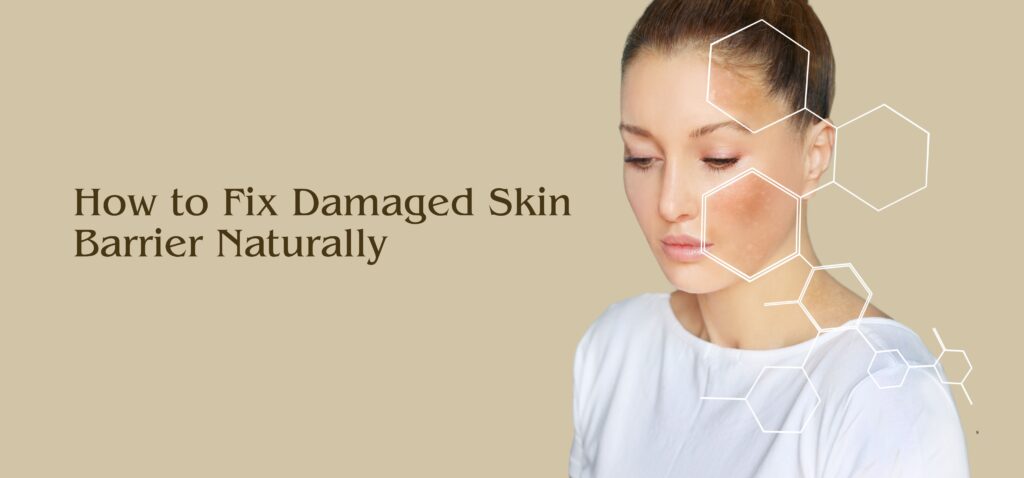
If your skin feels sensitive, dry or irritated all of a sudden it is likely that your skin barrier is damaged. The skin barrier is the outermost layer of your skin that provides protection. your skin from pollution, bacteria and moisture loss.
When the skin barrier is not functioning correctly your skin can get upset easily. Lose its natural balance. This is when your skin barrier needs some care.
What Damages Your Skin Barrier
Using skincare products too much exfoliating too often and using harsh cleansers can weaken your skin barrier. Things like sun exposure and pollution can also hurt your skin barrier.
Even when you are stressed or do not get sleep it can affect how well your skin protects itself. Your skin barrier is very delicate.
Signs of a Barrier
You might notice that your skin is dry, red, irritated or it burns when you put products on it. Your skin may feel rough. Look dull.
These are signs that your skin needs some care and time to heal. You need to be gentle with your skin.
Natural Ways to Repair Your Skin
The thing to do is to make your skincare routine simple. Utilize a cleanser that preserves your skin’s natural oils.
Then focus on keeping your skin hydrated by using a moisturizer that helps your skin get its moisture balance back.
Things like aloe vera can help calm your skin and reduce irritation, which helps your skin barrier heal naturally.
Daily Habits That Support Healing
Do not wash your face much. Washing your face often can make your skin even more sensitive.
Drink plenty of water. Eat a balanced diet to help your skin from the inside.
Getting sleep helps your skin heal itself and makes your skin healthier overall.
What to Stop Immediately
Stop using acids, scrubs or too many active ingredients right now. Do not try many new products at the same time as it can make your skin more irritated.
Be Patient with the Process
Healing your skin barrier takes time. You might not see results away but taking good care of your skin every day will slowly make your skin better.
You just need to be patient and keep taking care of your skin.
Fixing a damaged skin barrier naturally is about being kind to your skin and focusing on keeping it hydrated and using products.
With time and the right skincare routine your skin can get strong and balanced again.
Disclaimer
This is, for information and should not be taken as medical advice. Everyones skin is different. It is always best to talk to a skin expert before trying new skincare routines or treatments.