You discover a hair product that works wonders for your hair, leaving it feeling great, only to notice an unexpected scalp reaction like bumps near your neck, itching, or tenderness. This situation is more common than you’d think, yet can be frustrating. Here’s a look into what could be causing this and how to address it.
Identify the Cause of Your Reaction
Moroccanoil products, especially their treatment oils and styling lines, include argan oil, silicones, fragrances, and various conditioning agents. These components might provoke reactions in sensitive individuals. Fragrance compounds and certain silicones are often the usual suspects, and these are found in many professional haircare brands, not just Moroccanoil.
The nape of your neck is particularly vulnerable as it accumulates more product than the crown, especially with oils and leave-in treatments. Factors like sweat, heat, and friction from clothing or hair ties can exacerbate irritation. In India’s humid conditions, particularly during monsoons and warmer months, your scalp already works overtime managing moisture and sebum. Adding heavy oils or products that don’t rinse completely can lead to follicular irritation or contact dermatitis.
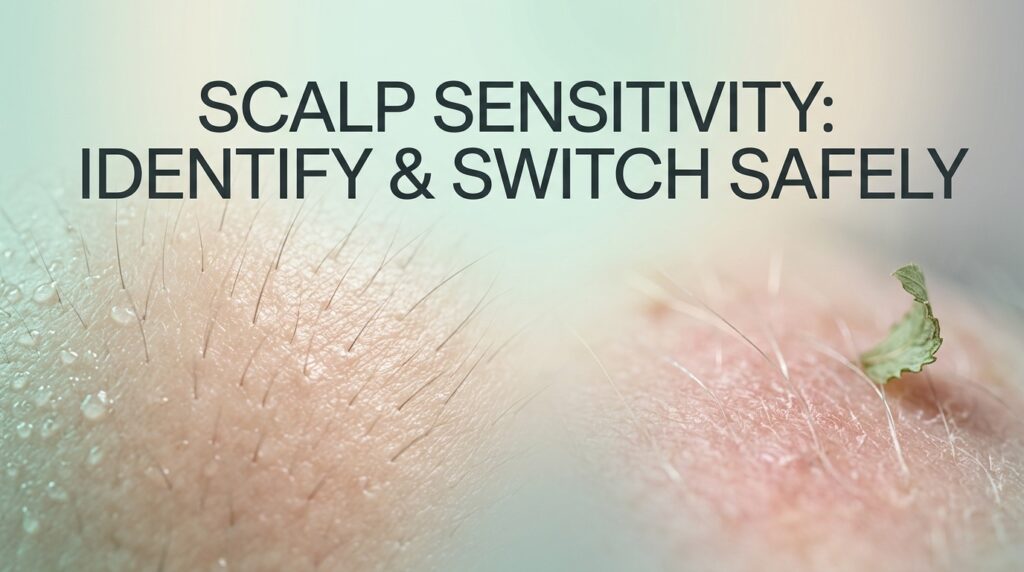
Bumps on the scalp could result from multiple factors. A contact allergy is an immune response that surfaces 24 to 72 hours post-exposure, marked by itching, redness, and bumps. Contrastingly, irritant contact dermatitis is a direct chemical irritation that appears quicker and stays localized. Folliculitis, an inflammation or infection of hair follicles, often results from product buildup or sweat trapping. Since these conditions appear similar, consulting a dermatologist is vital if bumps are painful, expanding, or persistent.
The Importance of Pausing Before Switching
The immediate impulse might be to grab another product when things go awry. Yet it’s beneficial to allow your scalp a proper break before trying anything new, helping you pinpoint what’s truly effective.
- Cease using the suspected product immediately. If you’ve been applying Moroccanoil Treatment to your scalp or roots, discontinue use. The product is meant for mid-lengths and ends, not for the scalp. Consistent scalp contact might be the underlying issue.
- Perform a gentle clarifying wash. Utilize a mild clarifying or anti-residue shampoo to eradicate buildup. One wash should suffice, avoid over-stripping your scalp.
- Let the scalp breathe for a few days. Refrain from applying serums, oils, scalp sprays, or dry shampoo. Use only a gentle, fragrance-free, or low-fragrance shampoo during this time.
- Monitor the symptoms. If the bumps reduce within a week, it’s likely the product was the cause. Worsening, spreading, or painful bumps require a dermatologist’s attention.
Determining If Moroccanoil Is the Cause
For those using a variety of products, patience is key to identify the trigger. Reintroduce products gradually, beginning with basics like shampoo and conditioner, allowing five to seven days between introducing each new product to clearly discern which item triggers a reaction.
If Moroccanoil Treatment was the only new product before the bumps appeared, it’s a probable cause. Ingredients like linalool, limonene, and other allergens might be the offenders, evident from the INCI label. If fragrance in general is a problem, consider switching to fragrance-free or hypoallergenic options throughout your routine.
Switching Products Wisely
After your scalp returns to normal, start over by selecting your haircare products carefully. You don’t have to forfeit professional-grade results; it’s about choosing wisely.
For the Scalp
Choose shampoos and treatments specifically designed for sensitive or reactive scalps. Kérastase offers the Symbiose range for dandruff-prone and sensitive scalps. Wella System Professional provides options for sensitive conditions. Check INCI labels for low or no fragrance formulas. Hard water prevalent in cities like Delhi, Bengaluru, and Mumbai may also necessitate using chelating or hard-water shampoos weekly to counteract built-up irritation.
For Hair
To maintain the benefits you enjoyed with Moroccanoil, focus on disciplined application. Use argan oil-based serums and treatments from mid-lengths to ends only, avoiding the scalp and nape. Options worth exploring include oil-based and serum treatments from Wella System Professional and Kérastase Elixir Ultime for added shine and softness without weighing down the hair.
Essential Patch Testing
Patch testing is crucial. Apply a new product to your inner elbow or behind your ear. Wait 48 hours. If there’s no reaction, it’s likely safe to proceed. Introduce one product at a time. While time-consuming, it’s essential for avoiding unnecessary reactions.
Advice for Salon Professionals
When clients experience bumps after home product use, your initial task is to assess whether a referral is necessary. Painful, weeping, crusted, or persistent bumps should be directed to a dermatologist before conducting any services.
Consultation: Inquire about where and when the bumps appeared, any recent product changes, and their history with skin sensitivities or allergies. Discuss if leave-ins or oils were used on the scalp rather than on mid-lengths or ends, as improper application often causes issues.
Conducting Patch Tests in Salons: Before applying new professional treatment to a reactive client, perform a patch test. Record and document this in the client record to protect your client and salon. Do not perform chemical services, including keratin treatments, colour, or scalp treatments on inflamed scalps. Schedule these only once healing is complete.
Product Recommendations: Guide sensitive scalp clients towards brands with minimal fragrance. Both Kérastase and Wella System Professional provide scalp-targeted ranges with varying sensitivity considerations. Emphasize patch testing before purchasing take-home products and document this in their card for future reference.
Service Menu Suggestions: Offering a standalone or add-on scalp consultation can appeal to reactive clients, foster trust, and highlight your commitment to scalp health over mere product sales.
Aftercare: For clients who’ve had reactions, provide a written protocol. Simplicity is key, adding one new product at a time, and advising no oils or leave-ins on the scalp. Suggest they keep up with patch testing for new items. A follow-up, either through WhatsApp or in-person, two weeks after their service, demonstrates care and often cultivates long-term loyalty.
FAQs
Can I still use Moroccanoil products if I had a scalp reaction?
It’s possible, but you’ll need to change how you use them. Moroccanoil Treatment and similar oils are not meant for scalp use. If you previously applied them near your roots, applying from mid-lengths to ends only might solve your issue. Should the reaction remain severe, or occur with indirect contact, conduct a patch test before reusing the range.
How do I differentiate between an allergy and product buildup?
Buildup generally causes itching, flakiness, and discomfort that rapidly gets better with a clarifying wash. Allergies involve raised bumps, redness, and persistent itching that does not quickly resolve after discontinuing the culprit product and might require several days to subside. If unsure, or if pain or spread occurs, a dermatological consultation can identify specific allergens via patch testing.
Which professional haircare brands are suitable for sensitive scalps in India?
There’s no all-in-one safe brand for everyone, but certain ranges cater to sensitive scalps. Some options include Kérastase Symbiose and specific Wella System Professional scalp ranges. Checking INCI labels for potential irritants like fragrances, performing a patch test for each new product, and introducing them slowly one by one can help. For highly reactive scalps, a dermatologist-recommended fragrance-free alternative might be the best initial choice.