If your skin has been looking flat, uneven, or just plain tired, you’ve probably gone down the rabbit hole of brightening facials. The O3+ Whitening Facial Kit has been a quiet staple in Indian salons and home-care routines for a while now, and the ingredient story behind it, niacinamide, licorice, and coconut oil, is genuinely worth understanding before you spend your money on it. Let’s get into what this kit actually does, whether the ingredient combination makes sense for Indian skin, and how to use it correctly at home or in the treatment room.
What Is the O3+ Whitening Facial Kit?
O3+ is an Indian professional skincare brand that supplies both salons and retail consumers. Their Whitening Facial Kit is a multi-step treatment system designed for dull and dry skin. The key actives across the kit’s steps are niacinamide, licorice extract, and coconut oil, three ingredients that each bring something different to the table.
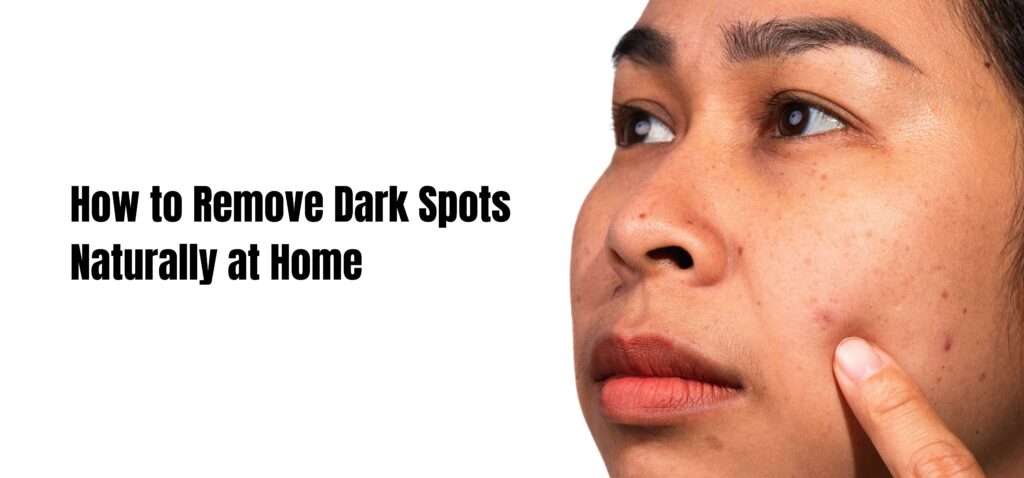
The term “whitening” in this context refers to brightening and reducing pigmentation. It does not mean skin bleaching. That distinction matters, especially in India where aggressive bleaching creams have caused real damage to skin over the years.
Breaking Down the Star Ingredients
Niacinamide
Niacinamide, a form of Vitamin B3, is one of the most well-researched brightening ingredients available. It works by interfering with the transfer of melanin to the skin’s surface, which gradually reduces the appearance of dark spots, post-acne marks, and uneven tone. It also strengthens the skin barrier and helps with sebum regulation, which is why it works across multiple skin types and not just dry skin.
For Indian skin dealing with sun exposure, pollution, and hormonal pigmentation, niacinamide is a genuinely sensible choice. It’s not a quick fix, but it’s consistent and well-tolerated by most skin tones.
Licorice Extract
Licorice root extract contains an active compound called glabridin, which inhibits an enzyme responsible for triggering pigment production after UV exposure. Think of it as niacinamide’s quieter, plant-based partner. It also has mild anti-inflammatory properties, which can help calm reactive or stressed skin.
The combination of niacinamide and licorice in one system is smart formulation. They address pigmentation through two different pathways, which tends to give better results than relying on a single active.
Coconut Oil
Here’s where it gets a little more specific. Coconut oil is a deeply moisturising emollient that works beautifully for dry skin. It softens, nourishes, and helps the skin feel supple. However, it is comedogenic for some people, meaning it can block pores and trigger breakouts in those who are acne-prone or have combination skin. This is the most important factor to consider before using this kit.
Who This Kit Is Actually For
This kit is genuinely well-suited for people with dry, dull, or dehydrated skin, especially those dealing with sun-induced pigmentation, post-inflammatory marks, or a generally lacklustre complexion. If your skin feels tight after washing, looks grey or flat under Indian pollution and humidity, and tends to be more parched than oily, this formulation is working with your skin type rather than against it.
It’s also a reasonable option for mature skin that has lost some of its natural moisture and looks uneven in tone.
Skip It If…
- You have oily or acne-prone skin. The coconut oil component may clog pores and cause breakouts.
- You have very sensitive or reactive skin. Do a patch test at least 24 hours before your first use, regardless of what any kit says on the packaging.
- You’re expecting overnight results. Brightening actives like niacinamide and licorice work gradually, typically over four to eight weeks of consistent use.
- You have active acne, open wounds, or a sunburn on the day of treatment. Wait until your skin has settled.
How to Use the O3+ Whitening Facial Kit at Home
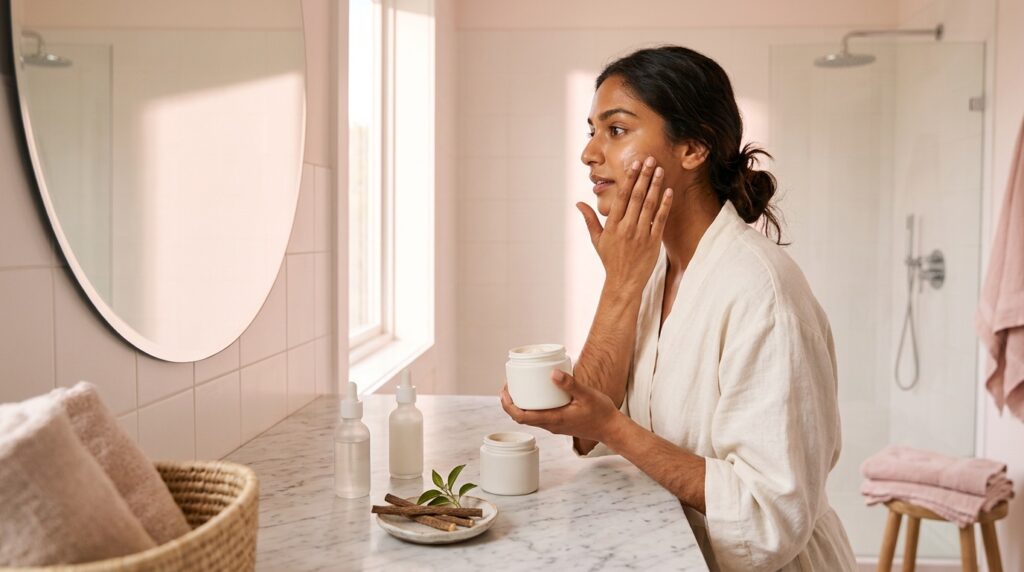
Multi-step facial kits can feel overwhelming when you open the box. Here’s a clear, practical order of use that works for most such systems. Always read your specific kit’s instructions first, since formulations can vary between product generations.
- Cleanse your face thoroughly. Use a gentle, sulphate-free cleanser suited to your skin type. Remove all makeup before you begin. Pat your face dry with a clean towel.
- Apply the scrub or exfoliating step. Use gentle circular motions. Avoid the eye area. Don’t press hard, let the formula do the work. Rinse well with lukewarm water. If your skin is very sensitive or dry, limit this step to once every ten days.
- Apply the massage cream or gel. Use upward strokes across the face, neck, and décolletage if included. A five to seven minute massage improves circulation and product absorption. Wipe off with a damp cotton pad or a soft towel.
- Apply the facial pack or mask. Spread an even layer across the face, avoiding the eyes and lips. Leave it on for the recommended time, usually ten to fifteen minutes. Rinse with cool water to close the pores slightly.
- Apply the serum or finishing cream. This is typically the most active step in brightening kits. Use it while your skin is still slightly damp to lock in moisture. Follow with your regular SPF if you’re doing this during the day.
One important note: always follow up with sunscreen after any brightening treatment. Niacinamide and licorice are working on your pigmentation, but UV exposure will undo that work quickly. In Indian conditions, an SPF 30 or higher is the bare minimum, SPF 50 is better.
Realistic Expectations for Indian Skin
Indian skin tones sit across a wide spectrum, from fair to deep brown, and pigmentation concerns vary a lot. Post-acne marks, melasma, sun patches, and dullness from pollution are all different problems, even if they look similar on the surface. A brightening kit like this one can help with surface-level dullness and mild discolouration, and most users notice a healthy glow within the first couple of uses.
For more stubborn concerns like deep melasma or significant hyperpigmentation, a kit alone won’t be enough. You’ll need to see a dermatologist who can suggest a targeted treatment plan. A facial kit is maintenance and general brightening, not a corrective treatment for clinical pigmentation.
Use this kit once every two to four weeks, not more. Over-exfoliating and over-treating compromises your skin barrier and can actually worsen pigmentation, which is the opposite of what you want.
For Salon Professionals
Client Consultation Before the Service
Before booking any whitening facial, run a proper skin analysis. Check for active breakouts, open lesions, sunburn, or very recent chemical treatments like a peel or laser. Ask about any topical retinoids or prescription actives the client is using. If a client is on tretinoin or any prescription brightening agent, you may need to space out the facial accordingly to avoid sensitisation.
For clients with a history of allergic reactions or contact dermatitis, do a patch test behind the ear or on the inner arm at least 24 hours before the service. Do not skip this step for new clients, regardless of how routine the service feels to you.
Technique Notes
When performing the massage step, adjust pressure based on the client’s skin thickness and sensitivity. Dry skin clients often have a compromised barrier, so use lighter strokes with good product slip. Avoid the eye contour with any massage cream. If your client’s skin looks flushed or feels uncomfortably warm at any point, stop, remove the product, and reassess.
For the mask step, keep the timing precise. Leaving a mask on beyond the recommended window, especially in Indian humidity, can cause irritation rather than brightening. Fan or cool air can make this step more comfortable for the client and keep the product from drying too aggressively on the skin.
Aftercare Advice to Give Every Client
- No direct sun exposure for 24 to 48 hours post-facial. If they must go out, a broad-spectrum SPF 50 is non-negotiable.
- No exfoliating scrubs, acids, or active serums at home for at least 48 hours after the service.
- Keep the skin hydrated with a plain, fragrance-free moisturiser for the first two days.
- Some mild redness or warmth immediately after the facial is normal. If it persists beyond a few hours or the client reports itching or swelling, advise them to consult a dermatologist.
Service Menu and Retail Tips
This facial works well as an entry-level brightening service, priced accessibly to attract clients who are curious about skin brightening but not ready to commit to chemical peels or advanced treatments. It sits naturally between a basic clean-up and a more clinical brightening peel on your menu.
For retail, the O3+ kit is a strong post-service product recommendation for clients with dry to normal skin who want to maintain their results at home between appointments. Be upfront that the kit is not a substitute for sunscreen or a consistent skincare routine. Clients who understand this are far more satisfied with their results and more likely to return. Avoid recommending it to oily or acne-prone clients without clearly flagging the coconut oil concern and suggesting they check with you after a patch test.
FAQs
Can I use the O3+ Whitening Facial Kit if I have oily skin?
It’s not the ideal pick for oily or acne-prone skin. The coconut oil in the formulation can block pores and potentially cause breakouts. If you’re set on trying it, do a patch test first and monitor how your skin responds. O3+ has other facial ranges better suited to oily skin types.
How often should I do the O3+ Whitening Facial at home?
Once every two to four weeks is the right frequency for most people. Using it more often than that can over-exfoliate the skin and actually worsen sensitivity and pigmentation over time. Let your skin recover fully between sessions.
Will this facial remove dark spots and pigmentation permanently?
No brightening facial kit removes pigmentation permanently. Niacinamide and licorice gradually reduce the appearance of dark spots and improve overall tone with consistent use over several weeks. Without daily SPF and sun protection, pigmentation will return. For stubborn concerns like melasma, please see a dermatologist for a proper treatment plan.