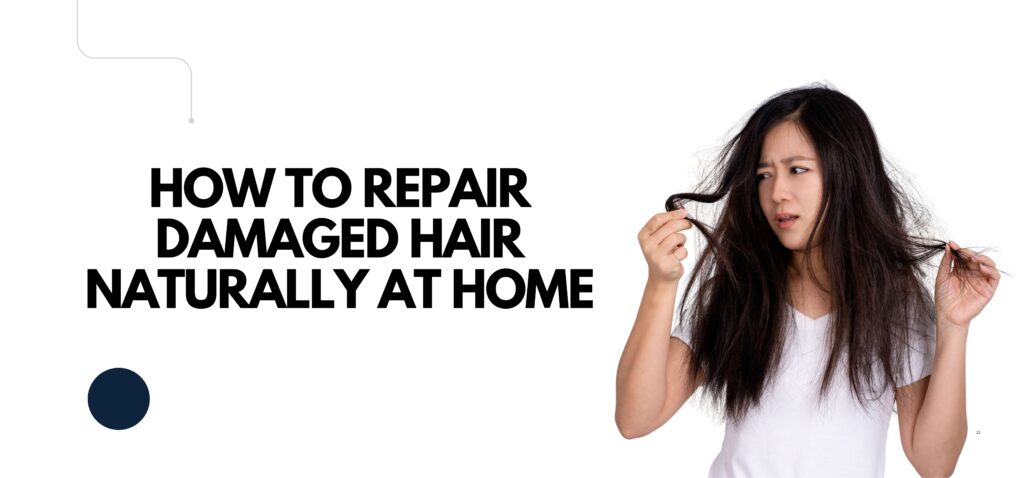
Think Olaplex is only meant for platinum blondes and heavily coloured hair? That belief comes from who talks about it online, not from what the product actually does. Olaplex targets one specific type of hair damage, broken bonds inside the strand, and that damage is far more common than most people realise, coloured hair or not.
What Olaplex Actually Does (Without the Jargon)
In simple terms, hair is composed of bonds with disulfide bonds being the crucial structural ones. Elements like heat, chemical processes, environmental factors, and even brushing can gradually break these bonds. When bonds break, hair becomes weaker, frizzier, more porous, and more prone to breaking.
Olaplex’s formula focuses on mending these broken bonds. It penetrates the hair shaft rather than coating it with silicone like a standard conditioner. This distinction is crucial because true repair differs significantly from merely coating, which is what most products do.
The real question isn’t “do I colour my hair?” The relevant question is “do I have broken bonds?” Given factors like flat iron use, hard water, humid monsoons, and pollution, the majority of Indians will likely find the answer to be yes.
Who Actually Benefits from Olaplex
People Who Use Heat Tools Regularly
If you use a straightener or curling iron more than twice weekly, you’re impacting your bonds each time. High heat breaks disulfide bonds physically. Over time, this leads to hair that appears dull, feels rough on the ends, and breaks more easily. Using Olaplex No.3 once a week as a pre-wash treatment can genuinely improve this situation, even if your hair has never been coloured.
People with Chemically Treated Hair (Not Just Colour)
This includes coloured and bleached hair but also hair that has undergone treatments like keratin smoothening, Brazilian blowouts, rebonding, or perms. These chemical services alter the hair’s bond structure. If you’ve had a keratin treatment in the past year, Olaplex is relevant for you.
People Dealing with Hard Water and Environmental Damage
This issue is particularly pertinent in India. Cities like Delhi, Bengaluru, Chennai, and Mumbai commonly have hard water that deposits minerals on hair shafts. Combined with pollution and UV exposure, this causes gradual hair deterioration. Though less dramatic than bleaching, this damage accumulates and is genuine.
People with Naturally Dry or High-Porosity Hair
High-porosity hair, often found in coarser Indian textures or hair that’s been harshly treated for years, quickly absorbs moisture but loses it just as fast. This type of hair generally has compromised bonds. Olaplex addresses the structural problem rather than just adding moisture that dissipates by midday.
People Who Are Simply Stressed Out (Hair-Wise)
Even without chemical treatments or excessive heat, tight braiding, daily high ponytails, or years of poor nutrition and hard water can result in bond damage. If your hair snaps easily while detangling or feels persistently rough despite conditioning, Olaplex is worth trying.
Who Should Skip It or Manage Expectations
Olaplex isn’t a panacea for all hair problems. If your main concern is scalp-related, such as dandruff, oiliness, or hair fall linked to the scalp, Olaplex won’t solve it. It focuses on the hair strand, not the scalp or follicle.
If your hair is truly healthy with no heat styling, no chemical services, good nutrition, and minimal environmental exposure, you might not notice a significant difference. This doesn’t reflect poorly on the product; it simply means your hair isn’t experiencing the issues it targets.
Also, it’s important to know Olaplex isn’t a protein treatment. If your hair specifically lacks protein, a keratin or protein mask might be more suitable, or the two might be needed at different times. A professional stylist can provide clarity on this.
The Olaplex Lineup: Which Numbers Do What
Olaplex offers several products. Here’s a practical guide to those most suited for at-home use in India:
- No.3 Hair Perfector: An at-home treatment for damp, unwashed hair. Leave it on for at least 10 minutes before washing and conditioning as usual. Once a week is a good start.
- No.4 Bond Maintenance Shampoo and No.5 Bond Maintenance Conditioner: Everyday products in the range, gentler than standard ones, help maintain bond repair done by No.3.
- No.6 Bond Smoother and No.7 Bonding Oil: Leave-in styling products. No.6 is a cream for reducing frizz and getting softness. No.7 is a light oil for shine and heat protection. Use both as finishing products, not treatments.
- No.8 Bond Intense Moisture Mask: A richer weekly mask, useful for dry hair with bond damage.
You don’t need to purchase the whole line to notice results. Most users see outcomes with just No.3 when used consistently. The shampoo and conditioner can be added if further enhancement is desired.
How to Use Olaplex No.3 Properly at Home
- Start with damp, unwashed hair. Either towel-dry after rinsing or wet it thoroughly. Don’t apply it to dry hair.
- Apply a generous amount from roots to ends. This isn’t a serum for sparse use. Ensure it’s worked through properly, especially in the mid-lengths and ends where damage is concentrated.
- Leave it on for at least 10 minutes. If time allows, 30 to 45 minutes is better. Some even leave it on for an hour, which is completely safe.
- Rinse thoroughly, then shampoo and condition as usual. Don’t skip the shampoo step or product build-up might occur.
- Use once a week to start. For very damaged hair, twice weekly use is acceptable for the first month. After that, weekly use is generally enough for maintenance.
Consistency is more important than any single application. Don’t expect a drastic effect after one use. Give it four to six weeks of regular application before making a judgment.
A Note on Price and Where to Buy in India
Olaplex isn’t a budget option. No.3 is the most popular, positioned as a mid-to-premium investment in haircare. Prices vary between sellers, so it’s prudent to compare a few trusted sources before buying. To avoid counterfeit problems, stick to authorised dealers or the brand’s official channels, as these issues do exist in the Indian market.
You can find the range in select salons, professional beauty supply stores, and some established e-commerce platforms. Treat any unusually low price with suspicion.
For Salon Professionals
Olaplex offers both retail and service possibilities in the Indian salon landscape, but honest client consultations are essential for building trust and ensuring satisfactory results. Here’s what to keep in mind from a practical perspective.
Consultation First
Before recommending Olaplex, ascertain if the client’s main issue is bond damage or something else. For scalp-centric hair fall, protein-deficient hair, or purely moisture-lacking hair, alternative solutions should be tried first. Olaplex is effective only when bond damage is the real issue. Broad recommendations without this understanding can lead to dissatisfied clients and damaged credibility.
Inquire about heat tool use, chemical service history, hard water effects, and hair condition during detangling. These indicators offer more than a visual assessment, especially with Indian hair types that might look healthy while being compromised structurally.
In-Salon Service Integration
The professional range (Nos. 1 and 2, used in tandem) is meant to complement processes like colouring, bleaching, or other chemical services. Adding an Olaplex treatment to a colour or smoothing service adds genuine value when needed, rather than being an unnecessary upsell.
Standalone treatment services with Olaplex (using No.3 or professional products in structured sessions) can be a valuable monthly or bimonthly option for clients who frequently use heat tools or have had recent chemical treatments. Clearly price this on your service menu, so clients can budget accordingly.
Managing Client Expectations
Communicate clear timelines to clients. Those expecting an instant fix from a single treatment will likely be disappointed. Emphasize that bond repair builds over time. A combination of salon treatments and an at-home No.3 schedule is most effective.
It’s also crucial to clarify that Olaplex can’t replace a good trim. When a client’s ends are too damaged and split, no bond repair can rectify that. Pair discussions about Olaplex with talks about haircuts.
Retail Recommendation
No.3 is the obvious retail option as clients can apply it themselves between appointments. If your salon sells it, demonstrate the application process in the salon, so clients feel empowered to correctly use it at home. Clients experiencing benefits from No.3 are likelier to seek salon services and trust other product recommendations.
Ensuring product authenticity is vital. Purchase only from authorised distributor channels. With counterfeits being prevalent in the Indian market, you’re responsible for providing genuine items to your clients. Honor that trust.
FAQs
Can I use Olaplex if I have never coloured my hair?
Yes, definitely. Olaplex works on bond damage, which can also be caused by heat tools, chemical processes like keratin or rebonding, hard water, pollution, and even mechanical stress. Coloured hair isn’t necessary to benefit from it.
Is Olaplex No.3 safe to use every week on Indian hair?
Yes, weekly use of No.3 is safe for most hair types. It isn’t a harsh treatment. For very damaged hair, using it twice per week at first is also acceptable. If you experience any adverse scalp reactions, stop use and consult a dermatologist.
Where can I buy genuine Olaplex products in India?
Buy from authorised retailers, established e-commerce platforms with verified vendors, or directly from salons offering professional products. Watch out for significantly low prices from unknown sellers, as counterfeit Olaplex products are present in the Indian market.