
Introduction
Oily and acne-prone skin needs careful handling. Excess oil, clogged pores, and frequent breakouts make it important to follow a routine that cleans deeply without irritating the skin.
A well-structured DIY facial can help manage oil, reduce buildup, and improve overall skin clarity when done gently and consistently.
Step 1: Gentle Cleansing
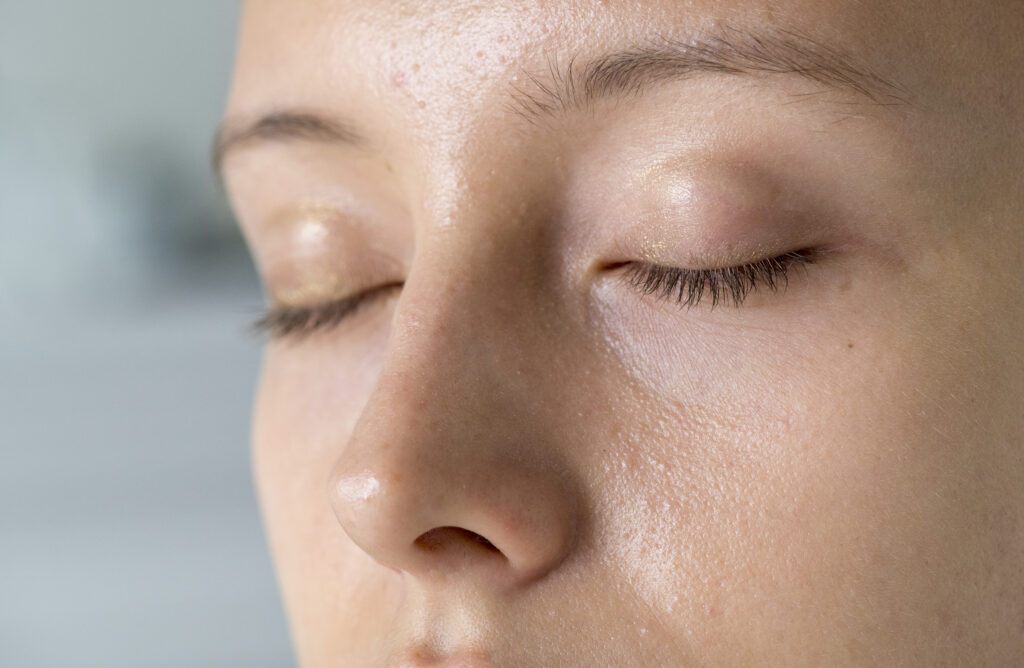
Start by removing dirt, sweat, and excess oil from your face.
Use a mild cleansing method and avoid harsh rubbing. This prepares your skin for the next steps and helps maintain a clean and balanced base.
Step 2: Mild Exfoliation
Exfoliation helps remove dead skin cells that can clog pores.
Use a gentle method to avoid damaging the skin barrier. This step supports clearer pores and smoother skin texture.
Step 3: Steam to Open Pores
Steaming softens the skin and helps loosen impurities.
Keep the steam light and limited to a few minutes to avoid irritation. This step helps improve deep cleansing and better impurity removal.
Step 4: Careful Extraction (Optional)
If needed, gently clean areas with visible buildup.
Avoid forceful extraction, as it can worsen acne and cause marks. Keeping this step minimal supports safe and controlled care.
Step 5: Oil-Control Face Mask
Apply a mask that helps absorb excess oil and calm the skin.
Focus on ingredients that support oil balance and soothing effects. This helps maintain reduced shine and clearer skin appearance.
Step 6: Light Facial Massage
Massage should be gentle and minimal for acne-prone skin.
Use soft movements to improve circulation without spreading bacteria. This supports refreshing and relaxed skin feel.
Step 7: Hydration and Protection
Finish with hydration to maintain skin balance.
Even oily skin needs moisture to prevent overproduction of oil. This step supports healthy and stable skin condition.
Aftercare Tips
Avoid touching your face frequently after the facial.
Keep your routine simple and allow your skin to recover. This helps maintain clean and calm skin.
Common Mistakes to Avoid
Over-exfoliating or scrubbing too hard
Using very hot steam
Touching or picking acne
Skipping hydration thinking skin is already oily
Avoiding these mistakes helps maintain balanced and healthier skin.
How Often to Do This Facial
A DIY facial for oily and acne-prone skin can be done once every two to three weeks.
This prevents over-treatment and allows the skin to stay stable and balanced.
What Results Look Like Over Time
With regular care, you may notice reduced oiliness, fewer breakouts, and smoother skin texture.
Your skin feels cleaner and more controlled, leading to healthier and clearer skin over time.
Conclusion
A DIY facial for oily and acne-prone skin should focus on gentle care rather than aggressive treatment. Following the right steps helps manage oil and improve skin clarity without causing irritation.
Consistency and proper technique make the biggest difference.
Disclaimer
This content is for informational purposes only and should not be considered medical advice. Acne conditions vary, so adjust the routine based on your skin’s needs.