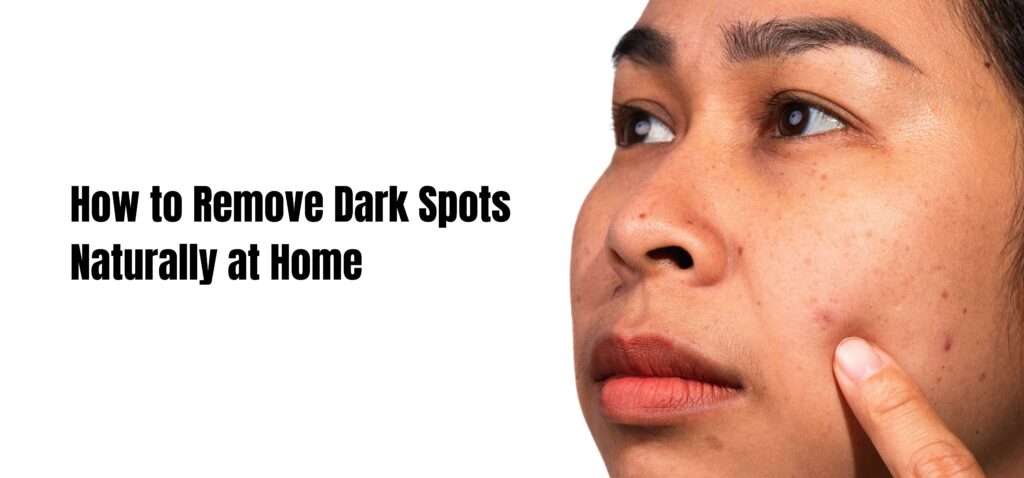
Post-wax redness might seem like a minor issue since many clients are accustomed to it, but as a professional, you understand its significance, especially when your client needs to hurry off to a meeting or function. The redness can appear more intense, particularly on fair-skinned clients, even if it fades within an hour. It’s crucial to manage their perception of your expertise. Here’s a straightforward guide to help you reduce, manage, and communicate about redness with every client you work with.
Why Redness Happens in the First Place
The waxing process involves the removal of hair directly from the follicle, triggering a mild inflammatory response in the skin. The skin’s capillaries dilate as blood rushes to the area, causing that notable flush. This is a normal physical reaction and not indicative of any problem with the service.
Redness levels can vary greatly between clients. It’s more visible on fair skin because there’s less melanin to mask the blood vessels. Clients with thinner skin, hormonal fluctuations, or those who have experienced recent exfoliation, retinoid use, or sun exposure often react more strongly. The Indian climate also plays a role. Heat, humidity, and pollution can leave skin more sensitive, even before clients arrive.
Pre-Service: The Consultation Step Most Salons Rush
This step can prevent many issues. A brief consultation before each wax isn’t an upsell, it’s essential.
- Inquire about recent skin treatments. Facials, chemical peels, laser sessions, or a strong home retinol regimen in the last week can make skin react more.
- Consider recent sun exposure. Clients fresh from the beach or an outdoor commute during peak summer aren’t ideal candidates for waxing. Sunburned or recently tanned skin tends to react poorly.
- Discuss any topical medications. Acne treatments, steroid creams, or prescription skincare can thin or sensitize the skin. Advise clients on such medications to consult their dermatologist before waxing. This decision isn’t yours to make.
- Perform a patch test for new or sensitive clients. Testing on the inner arm or behind the knee takes only a few minutes and provides useful insights.
During the Service: Technique Details That Actually Reduce Redness
The choice of product and technique significantly impacts the skin’s reaction. Both elements are crucial.
Wax Temperature
Excessive wax heat is a leading cause of unnecessary redness and even superficial burns. Always test wax temperature on your inner wrist before applying it to a client. The wax should feel warm but not hot. In India’s summers, the wax pot’s temperature may fluctuate during a busy day. Monitor it carefully.
Product Selection
For clients with fair or sensitive skin, liposoluble waxes, also called oil-based or cream waxes, are typically gentler than standard hot wax. They bond more with hair than skin. Rica is a brand frequently used in Indian salons for sensitive skin due to its vegetable oil base, offering a gentler option for clients prone to flushing. However, no wax is entirely free of reactions. Rica wax might still cause some redness on highly reactive skin. It offers milder benefits but isn’t a complete remedy.
Application and Removal
- Always apply wax in the direction of hair growth.
- Remove strips quickly and at a low angle, parallel to the skin, not upward. An upward pull increases tension on the follicle and surrounding skin.
- Press your palm firmly on the area immediately after each strip removal. The warmth and pressure provide instant comfort and reduce the skin’s initial inflammatory response.
- Avoid waxing the same area twice unless strictly necessary. Double-passing can lead to prolonged redness and, in some cases, surface skin lifting.
Pre-Wax Skin Prep
Use a cleanser or dusting powder to eliminate moisture, oil, and residue. Clean, dry skin allows for better wax grip on hair, leading to cleaner removal and less drag on the skin.
Immediately After: The Cooling and Calming Phase
The steps taken in the minutes following waxing are as important as the waxing itself.
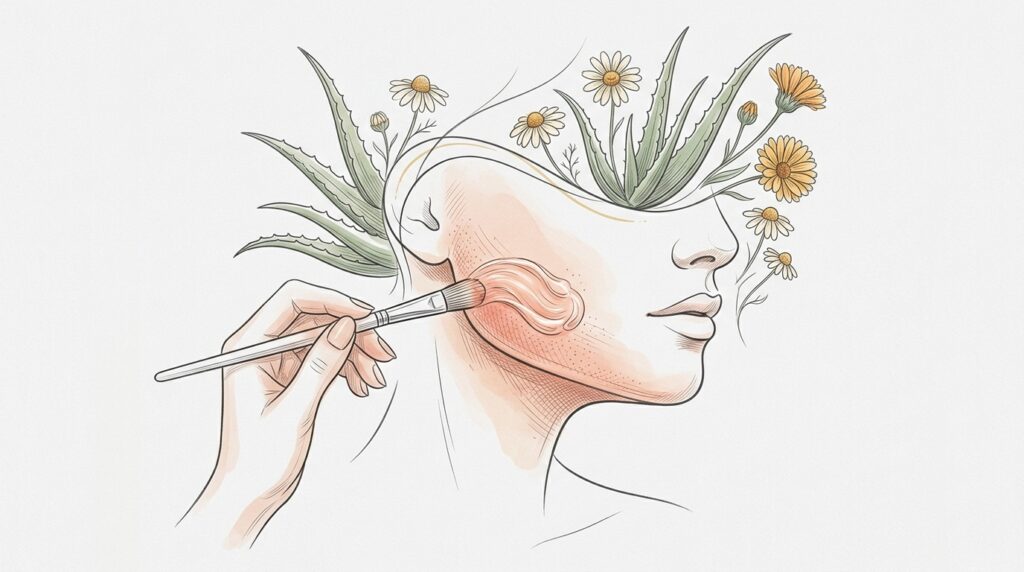
- Apply a cool compress or chilled aloe vera gel. Store pure aloe vera gel in the refrigerator or use a cold damp cloth. Applying it right after waxing constricts capillaries and reduces redness quickly. It’s an effective and inexpensive addition to your service.
- Use post-wax soothing lotion or oil. Most wax brands offer post-epilation products with calming ingredients like azulene, chamomile, or tea tree. Apply a thin layer over the area.
- Avoid fragrance-heavy lotions or scrubs immediately after. They can irritate sensitive skin and exacerbate redness.
- Advise avoiding heat exposure the rest of the day. Recommend clients avoid hot showers, saunas, steam rooms, and exercise for at least twelve hours post-wax.
Aftercare Instructions to Give Every Client
Provide written aftercare instructions. Clients often forget oral advice once they leave.
- Avoid hot water on waxed areas for at least twelve hours. Lukewarm water is acceptable.
- Avoid tight clothing over freshly waxed skin for the day.
- Stay out of direct sunlight for twenty-four to forty-eight hours. If necessary, apply sunscreen on the area without exception.
- No active exfoliation for forty-eight hours. Wait three to four days before using scrubs or exfoliating washes.
- Moisturize gently twice daily with a fragrance-free lotion.
- If redness, bumps, or irritation last beyond twenty-four hours, or if there’s any sign of infection, swelling, or blisters, advise seeing a dermatologist. Don’t suggest waiting it out in such cases.
When to Refer to a Dermatologist
Most cases of post-wax redness resolve within several hours, but some require medical attention. Severe redness combined with swelling, hives, blistering, or skin lifting isn’t normal. If issues like folliculitis, infections, or hyperpigmentation occur repeatedly at the wax site, a dermatologist’s input is required.
Be upfront when something is concerning. Referring clients to a dermatologist demonstrates professionalism, not inadequacy.
Service Menu and Retail Tips
If sensitive skin is common among your clients, consider adding a specific sensitive skin wax service to your menu. It could be a premium service using special liposoluble or low-resin waxes, with a detailed pre-wax consultation and post-wax cooling treatment. This not only enriches your offerings but also addresses client needs.
Retailing chilled aloe vera gels and post-wax soothing lotions works well since clients experience their benefits during their session. Recommend these products contextually, not as additional sales at checkout. A simple suggestion like, “This is what I used on you today, you can take one home for the next few days,” is more effective than a generic sales attempt.
FAQs
How long does redness after waxing normally last?
Typically, post-wax redness fades within thirty minutes to two hours. On fair or sensitive skin, it could last up to four or six hours. Persistent redness past twenty-four hours or symptoms like swelling, bumps, or pain warrant a dermatologist’s evaluation.
Is Rica wax better for sensitive skin?
Rica’s liposoluble wax is favored in Indian salons for sensitive or reactive skin due to its generally gentler oil-based formula compared to hot wax. However, it can still induce redness, particularly if the skin is already sensitive, making it one of several solutions rather than an absolute fix.
Can I apply ice directly on skin after waxing to reduce redness?
It’s preferable to use a chilled cloth or aloe vera gel instead of direct ice. Direct ice can shock capillaries and sometimes worsen irritation. If only ice is available, wrap it in a soft cloth before application.